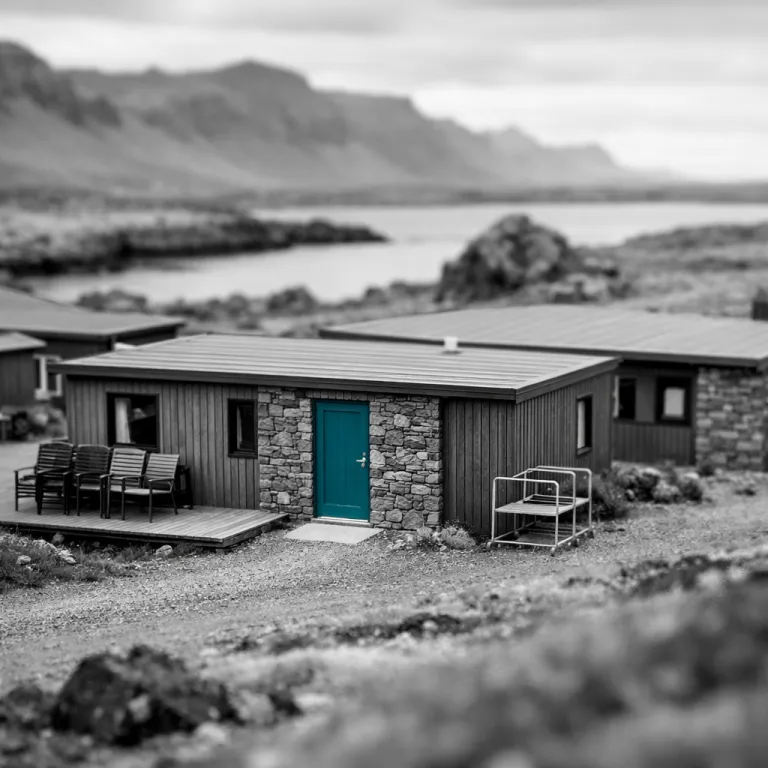
Choosing where to stay in Iceland for a refined hostel base
Understanding where to stay in Iceland starts with clarifying your travel style. If you value design, privacy, and curated experiences, a luxury or premium youth hostel can be the ideal accommodation, especially when you want hotel level comfort with a sociable atmosphere. In a country where the average summer hotel price in Reykjavik can reach around 200 USD per night, these elevated hostels often deliver stronger value for a longer stay.
Reykjavik is the capital city and cultural hub, and it remains the most strategic place to stay in Iceland for first time visitors. The city center, known as Miðborg, is widely regarded as the Reykjavik best area because you can walk to restaurants, museums, and tour departures without relying on a car. As one expert summary notes, “The city center (Miðborg) offers proximity to attractions and amenities.”
From a planning perspective, think of Reykjavik as your anchor for the start and end of a ring road trip. Many travelers stay in Reykjavik before heading toward the south coast, the golden circle, or the Reykjanes peninsula, then return for a final night before flying out. This pattern makes it easier to coordinate tours to the blue lagoon, the glacier lagoon near Höfn, or northern lights excursions that depart from central accommodations.
When comparing Iceland accommodations, look closely at what is included in the nightly rate. Breakfast, linen, and access to a guest kitchen can significantly improve your stay in Iceland, especially during winter when food options may be limited outside Reykjavik or North Iceland. Premium hostels and guesthouse style properties often rival mid range hotels, yet still keep the friendly spirit that makes places to stay in Iceland memorable.
Premium hostels in Reykjavik and why location matters
For many travelers asking where to stay in Iceland, Reykjavik remains the natural first answer. The city hosts the largest concentration of hotels, guesthouse properties, and upscale hostels, giving you the widest choice of Iceland accommodations in one compact area. According to one data point, there are roughly 100 hotels in Reykjavik, which underlines how competitive the accommodation scene has become.
When you choose a premium hostel rather than a traditional hotel, focus on the exact street and neighborhood. Being located within easy walking distance of Harpa Concert Hall, Laugavegur shopping street, or the old harbor means you can join whale watching tours, northern lights cruises, and golden circle day trips without worrying about transfers. This central location also makes it easier to enjoy Reykjavik best restaurants and bars, then return safely on foot after a long winter evening.
Luxury oriented hostels in Reykjavik often provide private rooms with en suite bathrooms, so your stay can feel similar to a compact hotel room. If you are interested in a more exclusive experience, read this guide on premium hostel loyalty programs for frequent travelers and compare benefits such as late check out or northern light wake up calls. These details can transform a simple stay in Iceland into a tailored city break.
Because Reykjavik is the main hub for tours, it is also the best place to organize a road trip around the ring road or shorter escapes to the south coast and Snaefellsnes peninsula. Many travelers stayed several nights in the capital at the start of their trip, then used it as a base for day tours to the blue lagoon or the Reykjanes peninsula. This approach allows you to enjoy the comfort of a single high quality accommodation while still reaching many of Iceland best natural highlights.
Where to stay in Iceland along the golden circle and south coast
Once you leave Reykjavik, the question of where to stay in Iceland becomes more about proximity to nature than nightlife. The golden circle, with its geysers, waterfalls, and national park, is one of the best places to base yourself for a first road trip. Here, you will find a mix of farm stays, guesthouse properties, and small hotels, along with a growing number of premium hostels that cater to travelers seeking both comfort and character.
Along the south coast, villages such as Vik offer access to black sand beaches and dramatic sea stacks. Choosing accommodation located near Vik means you can reach the beach at sunrise or sunset, which is especially rewarding in winter when the light is low and atmospheric. Many travelers who stayed in this region describe it as one of the Iceland best areas for photography, thanks to the combination of waterfalls, cliffs, and the nearby glacier lagoon further east.
When planning a south coast road trip, consider splitting your stay between two or three different accommodations. For example, you might stay one night near the golden circle, another near Vik, and a third closer to Höfn for easier access to the glacier and the famous glacier lagoon. This pattern reduces daily driving distances on the ring road and increases your chances of seeing the northern lights away from city glare.
Premium hostels and guesthouse style lodgings along the south coast often include shared lounges with panoramic windows, ideal for watching for any northern light activity. In winter, staff can sometimes advise on the best time to step outside or which road conditions might affect your next day’s trip. These human touches, combined with thoughtful design, make such places to stay in Iceland feel both practical and quietly luxurious.
Exploring North Iceland, the east fjords, and the Snaefellsnes peninsula
Travelers who ask where to stay in Iceland beyond Reykjavik often look toward North Iceland and the east fjords. Akureyri serves as the main northern city and a natural hub for exploring nearby waterfalls, geothermal areas, and whale watching tours. From here, you can choose between hotels, guesthouse properties, and upscale hostels that provide a refined yet relaxed stay in Iceland.
North Iceland is also one of the best places to chase the northern lights, thanks to darker skies and lower light pollution than the capital. When comparing Iceland accommodations in this region, look for properties located slightly outside town, where you can step directly onto a quiet road or field to watch the sky. Many travelers who stayed in these northern accommodations report that the combination of hot tubs, crisp air, and northern light displays created some of their most memorable nights.
Further east, the east fjords offer a more remote answer to the question of where to stay in Iceland. Small fishing villages line the coast, and accommodations range from simple guesthouse options to characterful hostels that feel almost like intimate hotels. Because distances between towns can be long, plan your ring road trip carefully and book each stay well in advance, especially in peak season.
On the west side, the Snaefellsnes peninsula is often called Iceland in miniature, and it deserves at least one overnight stay. Choosing accommodation located near the coast allows you to reach iconic viewpoints at quieter times, while still returning to a warm, comfortable base. Whether you prefer hotels, guesthouse properties, or premium hostels, this peninsula offers some of the best places to pause, breathe, and appreciate the slower rhythm of rural Iceland.
Balancing luxury, privacy, and social spaces in premium hostels
For travelers evaluating where to stay in Iceland, the main challenge is often balancing budget with comfort and atmosphere. Premium youth hostels bridge the gap between traditional hostels and hotels by offering private rooms, high quality bedding, and stylish communal areas. This hybrid model allows you to enjoy a refined stay in Iceland without losing the social energy that makes shared accommodations so engaging.
When comparing Iceland accommodations, pay attention to room categories and layout. Many upscale hostels now provide double rooms, family rooms, and even compact suites, alongside smaller dorms that are limited to four or six beds. If you value privacy, consider reading this detailed guide on how to book a private room in a hostel for a premium travel experience, then apply the same criteria to each place you evaluate along the ring road.
Shared spaces are another key factor when deciding where to stay in Iceland, especially during winter. Look for lounges with large windows, fireplaces, or hot tubs, which can turn long dark evenings into a highlight of your trip. In regions such as the south coast, the Reykjanes peninsula, or the Snaefellsnes peninsula, these spaces often double as informal northern lights viewing areas, so you can step outside quickly when the sky becomes active.
Finally, consider the service style and local partnerships of each property. Many premium hostels collaborate with tour operators for glacier hikes, blue lagoon transfers, or northern lights tours, which simplifies logistics for your stay in Iceland. This integrated approach, combined with attentive staff, can make even a short road trip feel polished and thoughtfully curated.
Practical tips for planning where to stay in Iceland year round
Answering the question of where to stay in Iceland also means thinking seasonally. In winter, prioritize accommodations located close to main roads and services, especially along the south coast, North Iceland, and the east fjords. Road conditions can change quickly, so staying near a well maintained road or town increases both safety and flexibility during your trip.
In the brighter months, you can be more adventurous with where you stay in Iceland, including remote farm stays or coastal guesthouse properties. However, the most popular hotels, hostels, and other Iceland accommodations often sell out early, particularly around the golden circle and the Snaefellsnes peninsula. Booking several months ahead ensures you secure the best places that match your preferred balance of price, comfort, and location.
Regardless of season, always check what is included in the rate before you stay in Iceland. Breakfast, parking, and access to a guest kitchen can significantly affect the overall cost of a ring road trip, especially if you are traveling with friends or family. Many travelers who stayed in premium hostels report that the ability to cook simple meals helped them allocate more of their budget to glacier tours, blue lagoon visits, or northern lights excursions.
Finally, remember that Reykjavik, Akureyri, Vik, Höfn, and Ísafjörður each serve as regional hubs for their surrounding areas. Using these towns as anchor points when you plan where to stay in Iceland will help you structure a logical itinerary that flows smoothly around the ring road. With thoughtful planning and early bookings, your stay in Iceland can combine the comfort of hotel style amenities with the warmth and authenticity of the best premium youth hostels.
Key statistics for planning where to stay in Iceland
- Average summer hotel price in Reykjavik is approximately 200 USD per night, which makes premium hostels and guesthouse properties an attractive alternative for many travelers.
- Reykjavik offers around 100 hotels, alongside numerous hostels and guesthouse accommodations, giving visitors the widest range of places to stay in Iceland in a single city.
Essential questions about where to stay in Iceland
What is the best area to stay in Reykjavik ?
The city center, or Miðborg, is generally considered the Reykjavik best area to stay. You will be located close to major attractions, restaurants, and departure points for tours to the golden circle, the south coast, and the blue lagoon. This central location also makes it easier to enjoy nightlife and return safely to your accommodation on foot.
Is it better to stay in Keflavik or Reykjavik ?
For most travelers planning where to stay in Iceland, Reykjavik is preferable to Keflavik. The capital offers far more hotels, hostels, and guesthouse options, as well as better access to tours and cultural attractions. Keflavik can work for a final night near the airport, but Reykjavik remains the stronger base for the majority of your stay in Iceland.
Which city should I stay in Iceland ?
Reykjavik is the primary choice for first time visitors, thanks to its wide range of Iceland accommodations and central role in the country’s transport network. However, Akureyri is an excellent base for exploring North Iceland, especially if you are interested in quieter towns and strong chances of seeing the northern lights. Many travelers combine several nights in Reykjavik with shorter stays in Akureyri, Vik, or Höfn to experience different regions along the ring road.