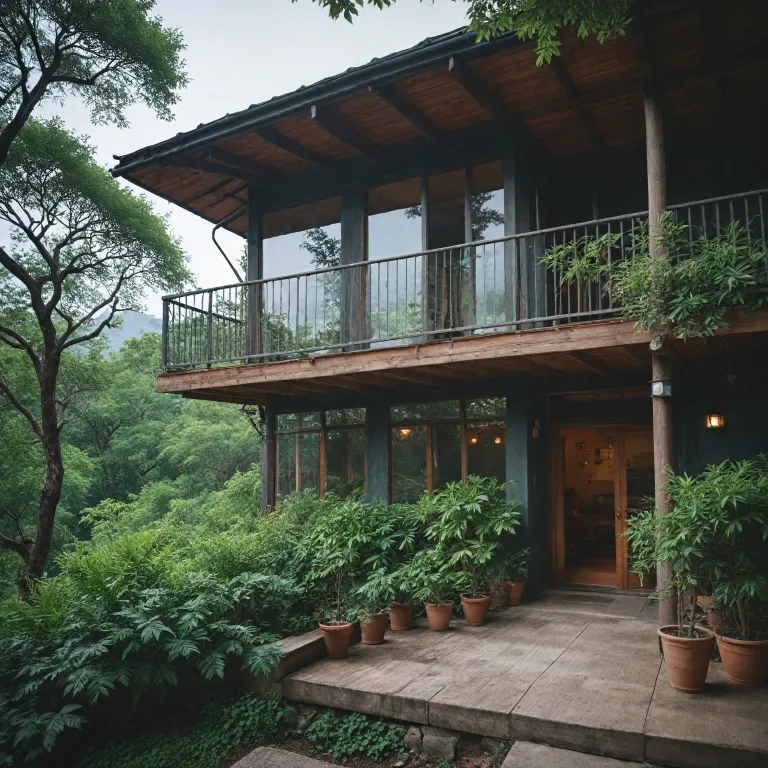
Redefining comfort: the rise of eco-friendly luxury youth hostels
Eco-friendly luxury youth hostels are transforming the travel landscape by blending sustainable tourism with premium comfort. These hostels offer a unique experience for guests who value both environmental responsibility and high-quality amenities. The integration of green features such as energy-saving light bulbs, water-efficient systems, and renewable energy sources like solar panels is now a hallmark of the best hostels in major cities and remote areas alike. Guests can expect a friendly atmosphere, great location, and innovative design that prioritizes both comfort and sustainability.
Hostels such as Sleep Green Hostel in Barcelona and Kex Hostel in Reykjavik set the standard for eco hostels by implementing advanced energy and water conservation measures. These luxury hostels use green building materials, energy-efficient appliances, and promote sustainable tourism through partnerships with local communities. The focus on reducing environmental impact is evident in every aspect of the stay, from the use of biodegradable cleaning products to the encouragement of environmentally friendly practices among guests. The result is a hostel experience that is both luxurious and eco-conscious, appealing to travelers who seek a responsible yet indulgent stay.
In addition to their environmental features, eco-friendly luxury youth hostels often provide free amenities such as Wi-Fi, breakfast, and guided tours, enhancing the overall value for guests. The combination of great location, sustainable initiatives, and premium services makes these hostels a top choice for city backpackers and solo travelers. Friendly hostels like Ecomama in Amsterdam and Casa Caracol in Cádiz demonstrate that luxury and sustainability can coexist, offering guests a memorable and environmentally friendly stay in the heart of vibrant cities.
Innovative sustainable features in eco-friendly luxury hostels
One of the defining characteristics of eco-friendly luxury youth hostels is their commitment to sustainable features that minimize environmental impact. Hostels like Ecohostel Andromeda in Ghent and Salty Jackal in Swakopmund utilize renewable energy sources, including solar panels and green electricity, to power their facilities. These eco hostels also implement water-saving technologies, such as low-flow showers and dual-flush toilets, to reduce water consumption and promote responsible usage among guests.
Energy-saving light bulbs and efficient heating systems are standard in many luxury hostels, contributing to significant reductions in energy consumption. For example, Swiss Youth Hostels have achieved a 65% reduction in CO2 emissions from heating, demonstrating the effectiveness of these measures. The use of organic linen, biodegradable cleaning products, and composting systems further enhances the environmental credentials of these hostels. Guests are encouraged to participate in recycling programs and support local economies by choosing hostels that source food and materials locally.
Eco-friendly luxury youth hostels also offer unique experiences that promote sustainable tourism. Activities such as yoga sessions, cooking classes, and eco-experiences like beach cleanups and wildlife conservation projects are designed to engage guests in environmental stewardship. By integrating these features into the hostel experience, friendly hostels foster a sense of community and shared responsibility for the planet. For more insights on sustainable travel, explore our comprehensive guide to green travel accommodations.
Location and community: why eco-friendly luxury hostels excel in urban and rural areas
Eco-friendly luxury youth hostels are strategically located in both bustling cities and tranquil rural settings, offering guests the best of both worlds. In urban areas, hostels like Green Tortoise Hostel in San Francisco and U-Baan Hostel in Bangkok provide a great location for exploring local attractions while maintaining a strong commitment to sustainable practices. These city backpackers hostels are often situated near public transport, reducing the need for private vehicles and supporting eco-friendly travel habits.
In rural or nature-rich areas, hostels such as Eco Borneo Lodge in Malaysia and Caveland Hostel in Santorini offer immersive experiences that connect guests with the natural environment. These eco hostels emphasize environmental education, conservation, and responsible tourism, encouraging guests to participate in activities that support local ecosystems. The integration of renewable energy, water-saving systems, and green building materials ensures that even remote hostels maintain high standards of sustainability.
Community engagement is a core value of eco-friendly luxury youth hostels. By partnering with local artisans, environmental organizations, and certification bodies, these hostels contribute to the social and economic well-being of their surroundings. Guests are invited to join community events, volunteer programs, and cultural experiences that enrich their stay and foster meaningful connections. For those seeking the best hostels with a strong sense of place and purpose, the combination of great location and community involvement is unmatched. Learn more about top-rated hostels and their unique offerings at our curated selection of sustainable hostels.
Premium amenities and eco-conscious design in luxury hostels
Luxury hostels are redefining what it means to stay in a hostel by offering premium amenities that rival those of traditional hotels. Eco-friendly luxury youth hostels provide guests with comfortable beds, private rooms, stylish common areas, and modern facilities, all while maintaining a strong focus on sustainability. The use of eco-friendly materials, energy-saving appliances, and water-efficient fixtures ensures that every aspect of the hostel is designed with the environment in mind.
Hostel offers often include free breakfast, Wi-Fi, and access to communal kitchens, allowing guests to enjoy a convenient and cost-effective stay. Many eco hostels also feature on-site restaurants that serve locally sourced, organic food, supporting sustainable agriculture and reducing the carbon footprint of each meal. The incorporation of green roofs, solar panels, and rainwater harvesting systems further enhances the environmental performance of these hostels.
Design plays a crucial role in creating a welcoming and environmentally friendly atmosphere. Hostels like Kex Hostel in Reykjavik and Ecomama in Amsterdam showcase upcycled decor, natural lighting, and open communal spaces that encourage social interaction and relaxation. The attention to detail in both aesthetics and sustainability sets these hostels apart, making them a top choice for travelers who seek comfort without compromising their eco values.
Engaging guests in sustainable tourism: education and participation
Eco-friendly luxury youth hostels go beyond providing green features by actively engaging guests in sustainable tourism practices. Educational programs, workshops, and guided tours are offered to raise awareness about environmental issues and promote responsible travel behaviors. Guests are encouraged to participate in activities such as recycling, composting, and energy conservation, making sustainability a shared responsibility during their stay.
Hostels like Salty Jackal in Namibia and Casa Caracol in Spain offer unique opportunities for guests to get involved in local conservation efforts, such as beach cleanups, wildlife monitoring, and reforestation projects. These experiences not only benefit the environment but also create lasting memories and a sense of accomplishment for participants. By fostering a culture of environmental stewardship, eco hostels empower guests to make positive changes in their own lives and communities.
Information on sustainable practices is readily available in friendly hostels, with staff providing guidance on how to minimize environmental impact. Guests are also encouraged to support local economies by choosing eco-friendly products and services during their stay. The emphasis on education and participation ensures that every guest leaves with a deeper understanding of sustainable tourism and its importance for the future of travel.
Evaluating the impact: measurable benefits of eco-friendly luxury hostels
The impact of eco-friendly luxury youth hostels can be measured through a range of environmental and social indicators. Significant reductions in energy and water consumption, waste generation, and carbon emissions are achieved through the implementation of green technologies and sustainable practices. For instance, Swiss Youth Hostels report an average electricity consumption of 5.1 kWh and water usage of 120 liters per overnight stay, highlighting the efficiency of their operations.
Hostels that prioritize renewable energy, such as solar panels and green electricity, contribute to the transition towards a low-carbon economy. The use of energy-saving light bulbs, efficient heating systems, and water-saving fixtures further reduces the environmental footprint of each stay. These measurable benefits are complemented by the positive social impact of supporting local communities, promoting cultural exchange, and fostering environmental awareness among guests.
Travelers who choose eco-friendly luxury youth hostels play a vital role in advancing sustainable tourism. By supporting hostels that offer environmentally friendly features and engage in responsible practices, guests contribute to the preservation of natural resources and the well-being of local populations. The collective impact of these choices is significant, driving the growth of sustainable travel and setting new standards for the hospitality industry.
Expert insights and practical tips for booking eco-friendly luxury youth hostels
When searching for the best eco-friendly luxury youth hostels, it is essential to research the hostel's sustainability credentials and features. Look for hostels with environmental certifications, such as the EU Ecolabel or Green Key, and read reviews that highlight their eco-friendly initiatives. Participating in sustainable activities offered by the hostel, such as guided nature walks or cultural workshops, enhances the overall experience and supports the hostel's mission.
Supporting local economies by choosing hostels that source food and materials locally is another way to contribute to sustainable tourism. Be mindful of your own environmental impact during your stay by conserving energy and water, recycling, and respecting local customs. As stated in the expert dataset, "An eco-friendly hostel implements sustainable practices such as using renewable energy, reducing waste, conserving water, and sourcing local and organic products." This approach ensures that your travel choices align with your values and have a positive impact on the environment.
Eco-friendly luxury youth hostels offer a unique blend of comfort, community, and environmental responsibility. By choosing these hostels, travelers can enjoy a memorable stay while supporting the transition to a more sustainable and equitable tourism industry. Remember, "Not necessarily. While some eco-friendly hostels may have higher rates due to sustainable investments, many offer competitive pricing similar to traditional hostels." and "Look for hostels with environmental certifications, read reviews focusing on sustainability, and check the hostel's website for information on their eco-friendly practices."
Key statistics on eco-friendly luxury youth hostels
- Reduction in CO2 emissions from heating since 2000 by Swiss Youth Hostels: 65%
- Electricity consumption per overnight stay at Swiss Youth Hostels: 5.1 kWh
- Water consumption per overnight stay at Swiss Youth Hostels: 120 liters
Frequently asked questions about eco-friendly luxury youth hostels
What makes a hostel eco-friendly?
An eco-friendly hostel implements sustainable practices such as using renewable energy, reducing waste, conserving water, and sourcing local and organic products.
Are eco-friendly hostels more expensive?
Not necessarily. While some eco-friendly hostels may have higher rates due to sustainable investments, many offer competitive pricing similar to traditional hostels.
How can I find eco-friendly hostels?
Look for hostels with environmental certifications, read reviews focusing on sustainability, and check the hostel's website for information on their eco-friendly practices.
References:
- https://backend.youthhostel.ch/sites/default/files/2025-03/Schweizer-Jugendherbergen-Nachhaltigkeitsflyer-E.pdf
- https://albatressa.com/9-hostels-supporting-slow-sustainable-travel-for-small-groups.html
- https://www.hostelworld.com/hostels/p/78410/sleep-green-certified-eco-youth-hostel/