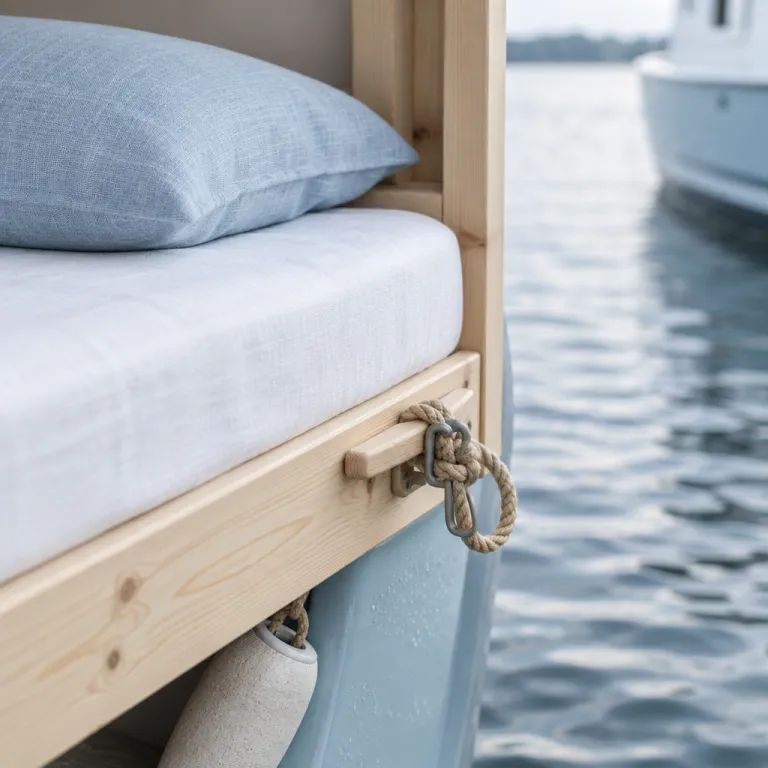
Floating hostels and romantic boatel stays for couples
The boatel idea: from working vessel to floating hostel romance
A stay on a hostel boat or converted ship begins long before you reach your room key. Retired barges in Amsterdam, former passenger ferries in Stockholm, and Danube cruisers in Belgrade are quietly reborn as floating hotels that feel more like intimate hostels than any conventional property on land. For a couple used to city lofts and high design, stepping onto a cleverly converted boatel instantly rewires what a romantic stay can be.

These floating hostels usually keep their maritime bones, from hardwood floors that creak softly to steel corridors that frame the water outside like long glass galleries. Many cabins now feature a floating king bed, a flat screen mounted opposite, and a compact private bathroom that uses every centimetre of space with almost shipyard precision. The best places to stay balance friendly hostel energy in the lounge with the privacy of a hotel room, so you can trade stories over morning coffee then retreat to your own quiet place to sleep when the River Thames finally goes dark.
In Amsterdam, the former ocean liner SS Rotterdam and hostel-style boats near NDSM Wharf offer panoramic views back to the city, while in Stockholm a floating hotel on the moored ship M/S Rygerfjord near Gamla Stan gives you year-round access to the old town within a ten minute walk. Belgrade’s Sava river hosts smaller boatels such as ArkaBarka Floating Hostel, which feel almost remote even though you can check tram times from the deck. For couples who usually filter hotels by star rating, this kind of floating accommodation shifts the focus from thread count to tide chart, with typical double cabins often priced between a mid-range hostel private and a boutique hotel room.
What it really feels like to sleep on water
The first night on a floating hostel is about sound and light as much as comfort. Instead of street noise outside a high city hotel, you hear water tapping the hull, ropes stretching, and the occasional river bird cutting across the views. When the sun rises, it slips through round portholes or long strips of glass, turning even a modest room into a floating observatory for your morning coffee ritual.

Couples often worry about motion and noise, yet most floating hotels on rivers barely sway, especially those moored along the Thames in London or in sheltered Scandinavian harbours. If you are sensitive, choose a cabin closer to the centre of the boatel, where movement is softer and the place to sleep feels more like a compact city hotel than an ocean liner at sea. Reading recent guest reviews will also flag any nightlife or traffic hum that might matter more than the gentle rocking itself.
Bathroom logistics are more refined than many guests expect, with private bathroom pods that feel almost Japanese in their efficiency and cleanliness. Storage is where the cleverly designed details matter most, because a floating king bed with drawers underneath or wall mounted hooks can transform a tiny room into a surprisingly generous space. For long summer stays, look for properties that promote eco friendly cooling, such as cross ventilation and shaded deck space, rather than aggressive air conditioning that fights against nature. If you are planning a midsummer trip through Scandinavia, pairing a few nights on a Stockholm boatel with land based hostels where the sun never sets, such as those featured in this guide to Scandinavian hostels under the midnight sun, creates a rhythm between water and shore that keeps the journey feeling fresh.
Hidden gem locations: from city rivers to remote national park marinas
Some of the most atmospheric floating hostel options sit just beyond the obvious postcard views. On the River Thames, smaller boatels moored east of central London trade instant landmark access for quieter stretches where you can actually hear the tide change. In these places to stay, the views are less about Big Ben and more about working docks, reed lined banks, and the slow choreography of passing barges.

Move away from capitals and the mood shifts again, especially where a floating hotel sits near a national park marina. Picture a compact boatel tied up beside a forested shore, where your morning coffee on deck comes with mist lifting off the water and the promise of hiking trails within fifteen minutes. Here, the accommodation offers a different kind of luxury, with nature as your lobby, a friendly host instead of a concierge, and a room that feels like a private cabin on a discreet ocean liner that never leaves the pier.
For couples planning longer stays, mixing these remote floating hotels with urban hostels can keep budgets balanced and experiences high. You might spend three nights on a glass fronted barge near a city park, then shift to a premium dorm in New York, such as the elevated hostel living highlighted in this review of smart seasonal hostel strategies, before flying on to a Southeast Asian river town. The through line is simple yet powerful; each place to sleep becomes part of the story, not just a line on the credit card statement.
Beyond boats: treehouses, caves, and other unusual hostel structures
Once you have tried a night on the water, it becomes easier to say yes to other unconventional beds. Treehouse hostels perched above a national park canopy, cave dorms carved into soft rock, and yurts pitched beside alpine lakes all share the same promise of a stay that feels stitched directly into nature. These places to stay rarely compete with high end hotels on square metres, yet they win on atmosphere, narrative, and the way they frame the surrounding space.

Many of these unusual hostels borrow design cues from floating hotels, especially when it comes to compact rooms and cleverly designed storage. A treehouse might feature a floating king platform bed with drawers beneath, a wall mounted flat screen for rainy evenings, and hardwood floors that echo the warmth of a well restored boatel. In cave hostels, floating glass partitions can separate the private bathroom from the sleeping area without blocking the panoramic views of the valley outside.
For couples, the trade off is clear; you sacrifice some conventional hotel predictability for a more textured stay that feels both eco friendly and emotionally rich. A yurt pitched on the edge of a park might mean a longer check in journey, yet the reward is waking to birdsong instead of traffic and sharing morning coffee on a small deck rather than in a crowded lobby. Once you have slept on water, in trees, and under rock, the idea of a standard hotel room starts to feel like the unusual choice.
Who chooses these beds, and how to book them wisely
The traveller drawn to a floating hostel or boatel is rarely chasing status points. Couples in their thirties and forties, often with solid hotel histories behind them, come for the story value, the Instagram ready views, and the sense that their stay is stitched into the city rather than hovering above it. They are willing to trade a little space for a lot of character, especially when the common areas feel friendly and the staff treat them more like temporary neighbours than anonymous guests.
When you check options on a premium hostel platform, filter first by location and then by structure type, whether that is a floating hotel, a treehouse, or a converted ocean liner. Read carefully for clues about noise, access to deck space, and whether the accommodation offers year round heating or cooling, because water and nature can amplify both cold and heat. For couples who like a balance between privacy and community, look for properties that offer both private bathroom cabins and shared lounges with panoramic views, so you can move between intimacy and conversation as the day unfolds.
In cities like New York, where waterfront regeneration is reshaping former industrial zones, water adjacent hostels sit comfortably alongside design forward properties such as those reviewed in this guide to elevated hostel living in Manhattan. The same mindset applies on the River Thames, in Scandinavian harbours, and near quiet park marinas; choose places to stay that respect maritime heritage, use eco friendly materials where possible, and feel genuinely connected to their surroundings. Over time, these floating hotels and other unusual hostels do more than provide a place to sleep, they help anchor new neighbourhoods and keep the stories of working waterways alive.
FAQ
Are floating hostels safe and stable for light sleepers ?
Most floating hotels and hostel boats are permanently moored in sheltered rivers or harbours, so movement is minimal and stability is similar to a small building on a pier. If you are a light sleeper, choose a room near the centre of the vessel, where any motion from water is softer and less noticeable. Reading recent guest reviews will also help you check whether noise from nearby bars or traffic is more significant than the gentle rocking itself, and many properties publish quiet hours and security policies on their booking pages.
Will I feel seasick during a hostel boat stay ?
Because hostel boats are usually fixed in calm water rather than sailing, seasickness is uncommon for most guests. Sensitive travellers may prefer wider vessels, such as former ocean liners or barges, which move less than narrow boats. Bringing standard motion sickness remedies can provide extra reassurance, although many couples report forgetting they are even on water after the first night, especially on rivers like the Thames or sheltered Scandinavian inlets.
How do bathrooms and showers work in compact floating rooms ?
Modern floating hotels typically feature private bathroom pods in double cabins, designed to maximise limited space without feeling cramped. Fixtures are often wall mounted, with sliding doors or floating glass partitions to keep the room feeling open. Shared dorms may use centralised facilities, but these are usually kept to hotel level cleanliness standards due to the smaller guest count on board, and many properties list whether towels, toiletries, and hairdryers are included in the nightly rate.
Are floating hostels open all year round or only in summer ?
Many river based floating hotels operate year round, with proper insulation and heating systems installed during conversion and regular safety checks required by local harbour authorities. In colder climates, some properties reduce capacity in winter but keep a core of rooms open for travellers who enjoy quieter stays. Always check seasonal notes on the booking page, especially for hostels near national park marinas, where access roads or ferry links can be weather dependent and certain outdoor decks may close in bad weather.
How do floating hostels compare in price to traditional hotels ?
Floating hostels usually sit between classic hostels and mid range hotels in nightly rates, especially for private cabins. You often pay a slight premium over a standard dorm for the novelty of sleeping on water and the limited number of rooms available. For couples who value both budget control and memorable experiences, that price difference often feels justified by the views, the atmosphere, and the story you take home, particularly in popular waterfront cities such as Amsterdam, Stockholm, London, and Belgrade.