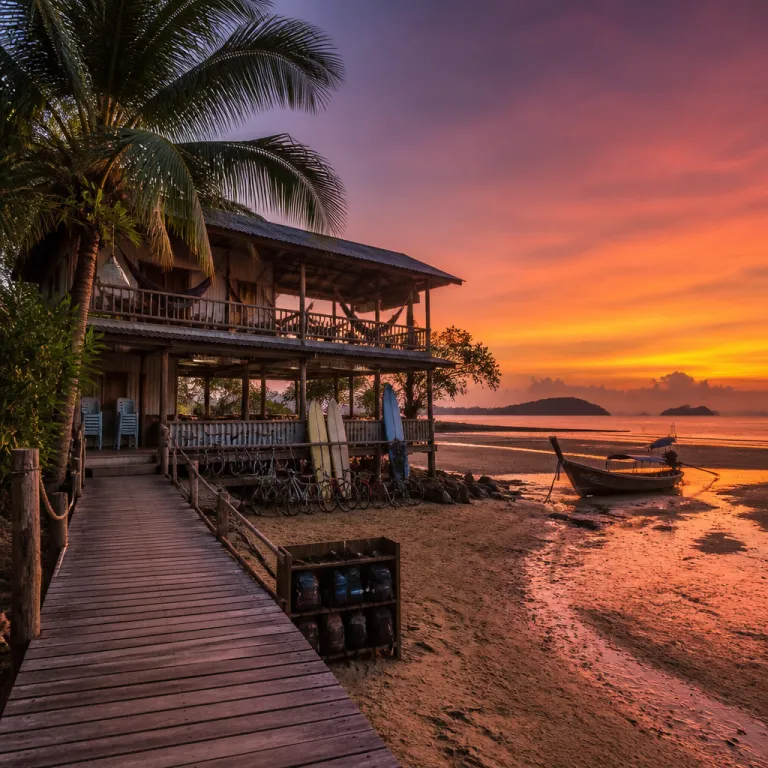
Why southeast Asia hostel summer off season savings suit couples
Summer in Southeast Asia looks wet on the forecast, yet it quietly becomes the best time for couples to enjoy southeast Asia hostel summer off season savings without the crowds. Across multiple southeast Asian countries, hostel owners roll out seasonal price reductions between June and October, and average dorm and private room prices fall by around 40 percent compared with peak months. That shift turns a premium hostel with a rooftop bar in Thailand or Vietnam from a splurge into a smartly priced base for two, especially when you value atmosphere and location over thread count.
These savings are not theoretical; they are baked into dynamic pricing strategies that hostels across Southeast Asia now use to keep beds filled when the monsoon keeps casual tourists away. For example, a mixed dorm bed at Lub d Phuket Patong that averages 16–18 US dollars in January has dropped to 9–11 US dollars in recent July snapshots on major booking sites (for instance, mid-season rate checks in July 2023 and July 2024), and a private room at Mad Monkey Siem Reap that often lists at 45 US dollars in December has appeared at 26–30 US dollars in late June (based on price histories compiled from leading hostel booking engines in 2022–2024). The same pattern shows up in Indonesia, Cambodia, Laos, and the Philippines, where tourism board reports and hostel newsletters between 2019 and 2023 consistently note 30–50 percent off peak rates as soon as the first rains arrive. For couples planning to travel southeast rather than chase a European heatwave, that price gap funds better food, upgraded private rooms, and the occasional splurge on a guided day trip.
Rain is the trade off, but the reality is more nuanced than endless grey skies and washed out days. In much of Southeast Asia, especially in coastal Thailand and the islands around Koh Phangan and Koh Rong, showers arrive in one or two intense bursts most afternoons, leaving mornings clear for beach walks and evenings dry enough for street food runs. If you plan your daily rhythm around those patterns, you gain quieter hostels, lower travel costs, and a softer light that makes even a quick walk through Chiang Mai’s old town feel cinematic.
Hidden gem hostel locations where rain brings better value
Some destinations in Asia southeast shine precisely because summer is labelled off season, and couples who understand that pattern unlock the best travel value. Northern Vietnam around Hạ Long Bay dries out earlier than the south, so June often brings hazy blue mornings, lower hostel prices, and calmer bays where day cruises feel almost private. In Cambodia Laos border regions, places like Siem Reap and Luang Prabang see fewer tour buses, yet their premium hostels stay open, trim costs, and quietly compete for the guests who still come.
In Siem Reap, the best time for southeast Asia hostel summer off season savings is often late June and early July, when Angkor Wat remains open at sunrise but the temple terraces are no longer shoulder to shoulder. Hostels respond with discounted private rooms, late checkout offers, and curated street food tours that highlight Khmer dishes you might never find alone, and those extras rarely appear when every bed is sold. Over in Laos, Luang Prabang’s riverside hostels lean into the slower pace with daily yoga on shaded decks and long breakfast hours, turning a simple hostel stay into a quietly luxurious retreat for two.
Thailand’s north follows a similar script, and Chiang Mai is a standout for couples who want culture with their savings. The city’s premium hostels, many set in restored wooden houses, cut prices per night while keeping the same attentive staff, strong Wi Fi, and thoughtful design that draw digital nomads in peak months. If you are mapping out where to go before the classic July sellouts, study a detailed peak summer hostel strategy and then invert it for June to September; the places that are impossible to book in January often become your private playground in the rainy season.
Island hostels, monsoon rhythms, and romantic off season routines
For many couples, the phrase backpacking Southeast conjures images of full moon parties and crowded ferries, yet summer in the Gulf of Thailand and the Cambodian islands tells a different story. On Koh Phangan, the famous full moon party still happens, but occupancy drops by up to half, and the best hostels near quieter bays start offering three night packages that fold in yoga classes, scooter rental, and late breakfast for the price of a single peak season night. Koh Rong, once a rough backpacker outpost, now has a handful of premium hostels that use off season to showcase calmer beaches, reef friendly snorkelling, and candlelit dinners under covered decks while the rain drums on the roof.
These island routines work because monsoon rain usually respects a schedule, and locals plan their day around it. Mornings are often bright enough for a boat trip or a coastal hike, afternoons bring a one hour downpour that you watch from the hostel bar, and evenings clear for street food stalls and beach bars that feel almost private. Couples who lean into that rhythm, rather than fight it, find that the real cost of a rainy season stay is not the room rate but the temptation to extend their visa and stay another week.
Premium hostels on these islands increasingly position themselves as alternatives to anonymous resorts, and they borrow some of the same hospitality vocabulary while keeping the social core intact. You still share a bar and common room with other travelers, but you retreat to a private room with good soundproofing, strong air conditioning, and thoughtful lighting that flatters sun kissed skin after a long day. If you want to understand how this premium hostel model works in other parts of the world before committing, look at a detailed guide to exploring premium youth hostel experiences in Cusco, then apply the same lens to your shortlist in Thailand, Cambodia, and the Philippines.
Planning the numbers: daily costs, visas, and smart protections
Off season savings feel seductive, but couples who treat southeast Asia hostel summer off season savings as a serious project run the numbers before they book. Start with a simple daily budget that separates fixed travel costs such as flights, visas, and travel insurance from flexible spending on food, activities, and the occasional splurge on a private tour. In many parts of Southeast Asia, a couple can comfortably share a premium hostel room, eat well on street food and casual restaurants, and still keep total daily costs below what a single mid range hotel night would cost back home.
Visas remain a practical detail, and each of the main countries in Southeast Asia handles them differently, so you should check official government sites before you travel. Thailand, Laos, Cambodia, and the Philippines all offer some form of visa on arrival or short stay exemption for many nationalities, but extensions can be costly if you misjudge how long you want to linger in Chiang Mai or Luang Prabang. Because off season often tempts you to stay longer, factor in both the initial visa cost and any potential extension fees when you compare countries and hostels.
Travel insurance is the other non negotiable line in the budget, especially when you are chasing low prices in regions where rain can disrupt ferries and flights. A solid policy that covers medical care, cancellations, and adventure activities will cost a fraction of your total travel costs, yet it protects every night you book and every day trip you plan. As one common question in hostel forums puts it plainly, “Is it safe to travel during the off-season? Yes, but expect more rain.”
FAQ
Is it safe to travel during the off season in Southeast Asia?
Yes, it is generally safe to travel during the off season in Southeast Asia, provided you respect local weather patterns and basic safety advice. The main difference is the higher chance of heavy rain, which can affect ferries, mountain roads, and some outdoor activities. Build flexibility into your itinerary, monitor local forecasts, and choose hostels with strong recent reviews that mention staff support during storms.
Are most hostels open between June and October?
Most hostels across Southeast Asia remain open between June and October, especially in major hubs such as Bangkok, Chiang Mai, Siem Reap, and Hạ Long Bay. On smaller islands and in remote areas, some properties close for maintenance, so it is wise to confirm availability directly or through a trusted booking platform. When in doubt, send a quick message to the hostel to check operating dates and any seasonal services that might be reduced.
How much can couples realistically save by travelling in the off season?
Couples can often save around 30 to 50 percent on nightly hostel rates by travelling in the off season, compared with peak holiday months. That translates into dorm beds dropping from about 15 US dollars to 7–10 US dollars and private rooms falling by similar proportions, a range that matches recent price histories on popular booking engines for cities such as Bangkok, Da Nang, and Siem Reap. Over a two week trip, those savings can cover several internal flights, a series of guided day tours, or an upgrade to premium hostels in more expensive cities.
What should I pack for a summer hostel trip in Southeast Asia?
For a summer hostel trip in Southeast Asia, pack light breathable clothing, a compact rain jacket, and quick drying footwear. Add a small dry bag for electronics, a travel sized first aid kit, and any prescription medication you need, as some brands are harder to find. Earplugs and an eye mask improve sleep in shared spaces, while a universal adapter and power bank keep your devices ready for long travel days.
Do I need to book hostels in advance during the off season?
Off season usually brings lower occupancy, so you can often book hostels a few days in advance rather than weeks or months. That said, the most distinctive premium hostels with excellent locations and strong design can still fill up, especially in cities with limited high quality options. A balanced approach is to reserve your first few nights in each country, then keep the rest of your itinerary flexible so you can follow local recommendations and changing weather.