From cheap bunk to curated sleep: why the mattress now matters most
Walk into a premium single hostel today and the first quiet luxury cue is no longer the lobby mural, but the bed mattress waiting in your dorm. The best hostel owners now treat hostel bed and mattress comfort as a core investment, not a line item to squeeze, because they know that sleep quality is one of the strongest predictors of overall review scores. When you are choosing a hostel, the smartest move is to read recent comments about the mattress, the bed, and the general sleeping experience before you even check the bar menu.
Industry data shows that mattress quality is becoming a competitive edge for every style of hostel, from design led city hubs to coastal surf houses. A 2023 analysis of public guest feedback on Booking.com and Hostelworld, for example, found that sleep-related comments appeared in more than half of all written reviews for highly rated properties, a pattern consistent with findings reported in the Cornell Hospitality Quarterly and other peer-reviewed hospitality journals. Operators who once bought the cheapest foam mattresses in a single size now commission mattresses designed specifically for hostel beds, with high density base foam and memory foam combinations that balance comfort, hygiene, and durability. This is where the real price conversation happens; a hostel that spends more on each foam mattress often delivers better value per night than a place that cuts costs and leaves you counting springs at three in the morning.
Think about the engineering challenge behind a modern metal bed frame in a shared dorm, where every movement can echo through the structure. High quality bunk systems now use decoupled slats and foldable rollable support bases so that each single bed behaves almost like a stand alone piece, even when stacked. When you see a sturdy metal bed with a firm but forgiving single mattress on top, you are looking at the result of a quiet arms race where some hostels spend the same on mattresses as mid range hotels, purely to win your loyalty through better sleep.
Inside the bunk: how premium hostels build real mattress comfort
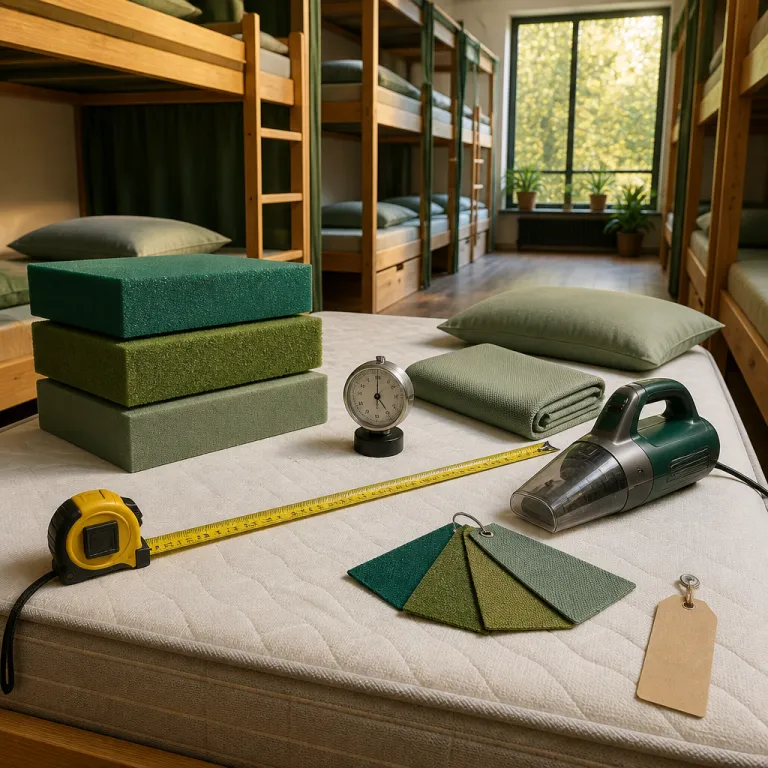
Lift the corner of a high quality hostel bed mattress and you will usually find a carefully layered story rather than a single slab of cheap foam. Many premium hostels now specify a base of high density foam for stability, typically around 30–35 kg/m³, topped with a softer comfort layer or memory foam that cradles pressure points without feeling swampy. This layered construction keeps the mattress firm enough for different body types while still delivering the kind of comfort that makes you forget you are paying a hostel price.
For couples booking private rooms in a hostel, the details matter even more because you are often sharing a single bed or compact double in a tight space. Look for clear information about mattress size single options, whether the property uses a standard single size (90 × 190 cm), an extended single hostel format (90 × 200 cm), or wider beds in premium rooms. On major booking platforms, top rated hostels in cities like Lisbon and Berlin now highlight bed dimensions and mattress thickness in their descriptions, and you will often see that the best properties specify foam mattresses with a defined 5–10 year warranty, signalling that they expect the bed mattress to perform across thousands of guest nights.
Construction is only part of the story, because the way a mattress sits on the frame also shapes hostel bed and mattress comfort. A well designed metal bed with individual slats prevents the foam mattress from sagging, even when the bed is used as a foldable single in flexible rooms that switch between private and dorm layouts. Some hostels even add an extra removable layer of memory foam on top of a firm core single mattress, creating a hybrid feel that works for both side sleepers and those who prefer a flatter, firmer surface.
Space, style, and the new aesthetics of the hostel bed
Design focused hostels know that a bed is not just for sleeping; it is also your sofa, your desk, and your private retreat in a shared room. That is why you now see thoughtful combinations of foldable and folding elements, from foldable rollable mattress toppers to under bed drawers that keep luggage off the floor and free up valuable space. When a hostel pairs a light weight metal bed frame with a high quality foam mattress in a clean black or neutral cover, the whole bunk reads as intentional design rather than a temporary fix.
Couples who book private rooms in these properties often benefit from the same mattresses designed for the dorms, but with extra touches like higher thread count linens and better pillows. Linen standards are rising fast, and several hostel groups now use hotel grade sheets as standard, which amplifies the underlying sleep comfort you are paying for. In some coastal or poolside properties, the same attention extends to outdoor daybeds and lounge mattresses near the swimming pool, and you can see this mindset in premium hostels with swimming pools that treat every sleeping surface as part of the wellness experience.
Space efficiency remains crucial, especially in historic buildings where room size cannot grow, so many operators choose a single size foam mattress that can double as a foldable single when needed. Clever layouts sometimes use a raised single bed with storage underneath, leaving the floor clear and making the room feel larger and calmer. When you walk into a dorm where each hostel bed has its own reading light, shelf, and curtain, supported by a firm, supportive foam mattress, you are seeing design and sleep science working together rather than a random collection of bunks.
Wellness, sleep science, and why the numbers now favour better mattresses
Sleep quality is no longer a soft metric in hostel reviews; it is a measurable driver of loyalty and repeat bookings. Research in hospitality consistently shows that a large majority of guests prioritise sleep quality over almost every other factor. A review of guest satisfaction studies published by the Cornell University School of Hotel Administration, for instance, notes that bed comfort and noise levels are among the top predictors of overall ratings, and internal analyses by several European hostel chains report that properties with upgraded mattresses see a clear uplift in satisfaction scores.
The durability math is surprisingly elegant when you break it down across years of use and thousands of guest nights. A more expensive foam mattress with a clear multi year warranty, built with high density cores and resilient comfort layers, often costs only a fraction more per night than a budget option once you factor in lifespan and reduced complaints. In one internal case study shared by a mid size European hostel group, upgrading from basic 12 cm foam to 18 cm hybrid foam mattresses with a 7 year warranty increased average review scores from 8.3 to 8.7 out of 10 over 18 months, while the effective cost of each mattress worked out at less than €0.10 per occupied bed night.
Wellness focused hostels also think beyond the single mattress and look at the entire sleeping ecosystem, from pillow choice to room acoustics. Many now offer multiple pillow firmness options, a trick borrowed from higher end hotels, because a firm mattress paired with the wrong pillow can still ruin your neck. Some properties even coordinate quiet hours, blackout curtains, and 24 hour reception policies, and you can see how these operational choices support consistent sleep comfort when you read detailed guest reviews and property descriptions.
How to read between the lines when booking your next hostel bed
When you scroll through hostel listings, the photos rarely tell the full story of the mattress, so you need to read like an insider. Start with the written description and look for specific mentions of foam mattress types, memory foam layers, or high density support cores, because vague phrases like "comfortable bed" usually mean the property has not invested much in mattress quality. Pay attention to whether the hostel specifies mattress size single details, such as extra long single size beds for taller guests, or whether they mention a multi year warranty on the mattresses designed for their dorms.
Guest reviews are your best friend here, especially those that mention the bed mattress directly rather than just the vibe of the bar. Filter for recent comments and scan for patterns around firmness, noise from the metal bed frames, and whether the mattress feels thin or supportive when you sit on the edge. If several guests praise the comfort of the single bed in private rooms and the stability of the hostel beds in shared dorms, you can safely assume the property has moved beyond the cheapest foam mattresses and into genuinely high quality territory.
Finally, do not hesitate to message the hostel before booking and ask practical questions about mattress type, thickness, and whether any beds use foldable or folding frames that might creak. A professional team will happily explain whether they use light weight foldable single bases only in overflow rooms, or whether every standard hostel bed sits on a solid, non foldable rollable platform with a firm, supportive single mattress. That level of transparency signals a property that understands how central sleep is to your stay, and it is often the difference between a forgettable night and the kind of rest that lets you fully enjoy the city outside.
FAQ
Why is mattress quality so important in a hostel compared with a hotel?
Shared rooms amplify every weakness in a mattress, from motion transfer to noise, so hostel bed and mattress comfort has a bigger impact on your sleep than in many hotels. A high density foam mattress on a stable metal bed frame reduces movement from other guests and keeps support consistent across many different body types. Because you often spend more waking time on the bed in a hostel, using it as a seat or workspace, the durability and firmness of the single mattress also matter more.
How can I tell if a hostel uses good mattresses before I book?
Look for specific details in the description, such as mentions of memory foam, high density foam mattresses, or mattresses designed for hostel beds rather than generic household models. Reviews that praise the comfort of the single bed or note that the bed mattress feels thick and supportive are strong positive signals. If the property mentions a clear multi year warranty on mattresses or highlights upgraded bedding in marketing, that usually indicates a serious investment in sleep quality.
Are firmer mattresses always better in hostel dorms?
A firm mattress often works better in a shared setting because it stays supportive across many guests and resists sagging, especially in a single hostel bunk. However, the best hostel beds balance a firm base with a softer top comfort layer or memory foam to relieve pressure points. When reading reviews, aim for comments that describe the bed as supportive but comfortable rather than simply hard.
Do foldable or folding beds mean lower comfort in hostels?
Foldable single frames and folding beds can be perfectly comfortable if they use a high quality foam mattress and a stable support system. Problems arise when a foldable rollable base is paired with a thin, low density mattress that lets you feel the frame or floor underneath. If a hostel uses flexible layouts, ask whether standard hostel beds use fixed metal bed frames and reserve foldable options only for occasional extra sleeping space.
How often should hostels replace their mattresses to maintain comfort?
Most hospitality experts recommend replacing a heavily used hostel mattress every five to seven years, depending on occupancy and material quality. High density foam and hybrid constructions with a clear multi year warranty usually maintain consistent comfort longer than cheaper options. When a property mentions regular mattress replacement cycles in its description or responses to reviews, it signals a proactive approach to guest wellness and long term comfort.