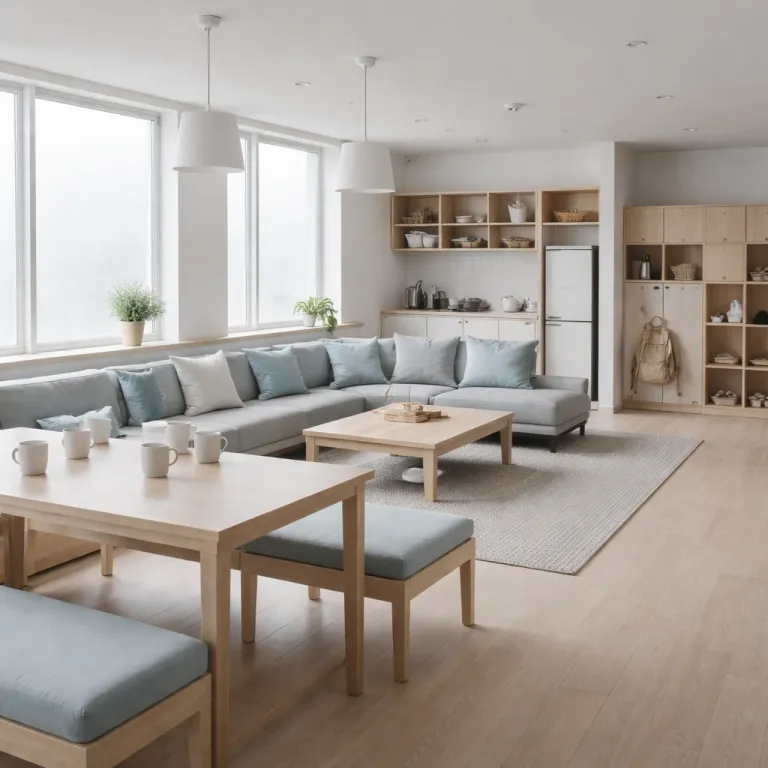
The common room as the hostel’s signature handshake
Walk into any serious hostel and the common room tells you everything. The furniture layout, lighting, and music immediately signal whether you have entered a party hostel, a creative retreat, or a calm base for long term travelers. In luxury hostels, this first impression shapes the entire stay for every guest.
Look closely at how the spaces are arranged, because the best hostel common areas are designed to guide social interaction rather than leave it to chance. Sofas pulled into small circles invite slow conversations between solo travelers, while long tables in communal spaces encourage group dinners that stretch late into the night. When you are staying in properties that understand this, the shared lounge feels curated rather than chaotic.
Premium hostels use materials and zoning to create a layered social atmosphere that works from morning coffee to midnight chats. A quieter reading room off the main common areas lets a solo traveler decompress, while a livelier zone near the café style bar keeps energy high for people who want to meet others. The result is an accommodation option where the emotional centre is not the private rooms or dorms, but the social spaces that hold your real travel experience.
From passive lounge to programmed social ecosystem
In well run hostels, the common room has evolved from a tired TV lounge into a programmed social ecosystem. Hostel staff now treat these communal spaces as a stage where guests and local partners co create the hostel experience through events, workshops, and shared meals. This shift is especially visible in premium social hostels that invest in design, technology, and dedicated community managers.
The daily rhythm often follows a clear pattern; morning coffee chats, afternoon games, and evening group dinners turn the same room into three different social atmospheres. Hostelworld’s annual trend reports note that operators increasingly rely on flexible communal areas to drive engagement and repeat bookings, and that pressure pushes them to use every square metre of shared space to generate meaningful interaction. You see it in the way staff schedule city walks, cooking classes, and language exchanges directly in the common room, using social media groups and QR codes on tables to coordinate sign ups.
For you as a guest, this means the social life of the hostel is no longer left to luck or the loudest group. Luxury hostels curate themed nights that attract both solo travelers and small groups, from pasta workshops with local chefs to board game tournaments hosted by nearby cafés. If you care about amenities as much as atmosphere, look for properties that pair this programming with thoughtful comfort upgrades in their shared and private rooms, the kind of modern youth hostel amenities highlighted in this guide to elevating comfort in contemporary hostels.
Design cues that reveal if a hostel is right for you
Before you book, read the photos of the common room as carefully as the reviews. A neon sign, beer pong table, and bar stacked against the wall usually indicate a party hostel where the social atmosphere peaks at night and quiet is secondary. Softer lighting, plants, and laptops on tables suggest a social hostel that balances interaction with focused work and early starts.
Luxury and premium hostels use zoning to serve different types of travelers within the same property, and this is where your experience is truly decided. Raised platforms or rugs can define quieter corners for reading, while bar height tables near the kitchen or café counter encourage quick chats between people passing through. When you see clear pathways, varied seating, and visible event boards, you are looking at accommodation options that respect both the introvert guest and the extrovert group.
Programming is the second cue; check whether the hostel promotes city tours, cultural workshops, or community dinners in its communal spaces. Properties that host regular events, like those profiled in our feature on youth hostels with vibrant events, tend to attract travelers who value social interaction as much as location. If you are a solo traveler, prioritise social hostels that publish clear schedules, because that structure makes it easier to meet people without feeling you have crashed a private party.
Why solo travelers chase social infrastructure, not thread counts
When you read hostel reviews from solo travelers, you notice a pattern. Guests rarely remember the exact size of the rooms or the thread count of the sheets, but they describe in detail the people they met in the common room and the group dinners that changed their travel experience. For many, the decision to choose hostels over other accommodation options is driven by this promise of built in community.
Industry surveys from organisations such as WYSE Travel Confederation and Hostelworld consistently show that a large share of guests pick a hostel for its social potential, not just its price, and that is especially true for the solo traveler who wants connection without forced small talk. These findings underline how crucial the shared social environment has become. In practice, this means that staying in hostels with strong communal spaces can feel more luxurious than a quiet apartment, because the value lies in curated interaction rather than extra square metres.
Hostelworld and WYSE Travel Confederation both highlight how community first design now defines the best social hostels worldwide. As one practical guide explains, “Board games, group meals, movie nights, and local tours.” are the backbone of successful programming, and “Join organized events, use common areas, and be open to conversations.” remains the simplest strategy for meaningful encounters. If you want affordable luxury in this context, look for properties that pair thoughtful social infrastructure with elevated design, like those featured in our guide to affordable luxury hostels around the world.
The rooftop, the kitchen, the courtyard and the art of leaving
Ask frequent travelers to name their favourite hostel spaces and three zones keep returning. The rooftop, the kitchen, and the courtyard form an emotional geography that shapes your hostel experience more than any checklist of facilities. Each of these common areas supports a different layer of social interaction, and together they define how you remember a place long after your travel ends.
On the rooftop, the social atmosphere is usually light and cinematic, with guests drifting between small groups as the city lights come on. Down in the kitchen, the mood shifts; chopping vegetables side by side in communal spaces creates a natural rhythm for conversation, and shared meals turn strangers into a group by the end of the night. In the courtyard or main common room, you often find the most fluid mix of people, from early risers planning hikes to late returning friends recounting the previous night in party hostels.
The paradox of a great hostel lounge is that it often pushes you out into the city. Strong local partnerships mean staff use the common rooms as launchpads for neighbourhood walks, food tours, and cultural events, so the best social hostels feel like both clubhouses and gateways. Whether you are in a quiet creative hostel on a Barcelona side street or a central party hostel, the measure of quality is how these spaces help you meet people, explore more, and return at night feeling that your travel experience has expanded beyond the building.
How to read a common room before you book
Choosing the right hostel starts long before you roll your bag into the lobby. When you scroll through photos, focus on the common rooms and common areas first, because they reveal more about the social hostel character than any shot of private rooms or dorms. Look for images that show real guests using the spaces, not just staged emptiness.
Next, read the reviews with an eye for social interaction rather than only cleanliness scores or location. Comments about friendly staff, easy group dinners, and relaxed nights in the lounge are strong indicators that the social setup is working. Be wary of repeated mentions of cliques, noise without structure, or party hostel chaos if you value sleep and a balanced travel experience.
Finally, check how the hostel describes its own communal spaces on its website or booking page. Phrases like social hostels, community events, or curated activities usually signal a deliberate approach to programming, while vague mentions of a lounge may mean the room is an afterthought. Whether you are comparing quiet hostels common in residential districts or high energy party hostels in city centres, the goal is the same; find accommodation options where the design, staff, and guests together create a social atmosphere that matches the way you like to meet people.
FAQ
What actually happens in a hostel common room during the day ?
Across most hostels, the common room follows a gentle daily rhythm that supports different types of travelers. Mornings often bring quiet coffee chats and planning sessions, afternoons lean towards board games or laptop time, and evenings usually shift into group dinners or casual drinks. This pattern lets both introverted and extroverted guests find moments of social interaction that suit their energy.
How can a solo traveler meet people without feeling awkward ?
If you are a solo traveler, the most effective strategy is to treat the common areas as shared living rooms rather than public spaces. Sit at communal tables, join any group activity advertised on the event board, and start with simple questions about other people’s travel plans. In well run social hostels, staff often help by introducing guests and organising low pressure activities like shared meals or short city walks.
What design features signal a strong hostel social atmosphere ?
Look for varied seating in the common rooms, such as a mix of sofas, long tables, and smaller nooks, because this supports both group conversations and one to one chats. Clear sightlines, warm lighting, and visible event boards usually indicate that the hostel has thought carefully about how guests move and interact. When these design choices are combined with engaged staff and regular programming, the shared social experience tends to feel natural rather than forced.
Are party hostels always a bad choice for light sleepers ?
Party hostels prioritise high energy nights, but that does not automatically mean chaos in every room. Some premium properties separate the loudest communal spaces from the sleeping areas and offer well insulated private rooms for guests who want both nightlife and rest. If you are sensitive to noise, read reviews carefully and choose hostels where guests praise both the social atmosphere and the sleep quality.
Why do many travelers prefer hostels over private apartments ?
For many travelers, the main reason to choose hostels is the built in community that comes from shared kitchens, common areas, and programmed events. While a private apartment can offer more personal space, it rarely provides the same opportunities to meet people, join group activities, or tap into local recommendations through staff and fellow guests. When the communal spaces are well designed, the hostel’s social life becomes the real luxury, turning each night into a chance for new stories rather than just another place to sleep.