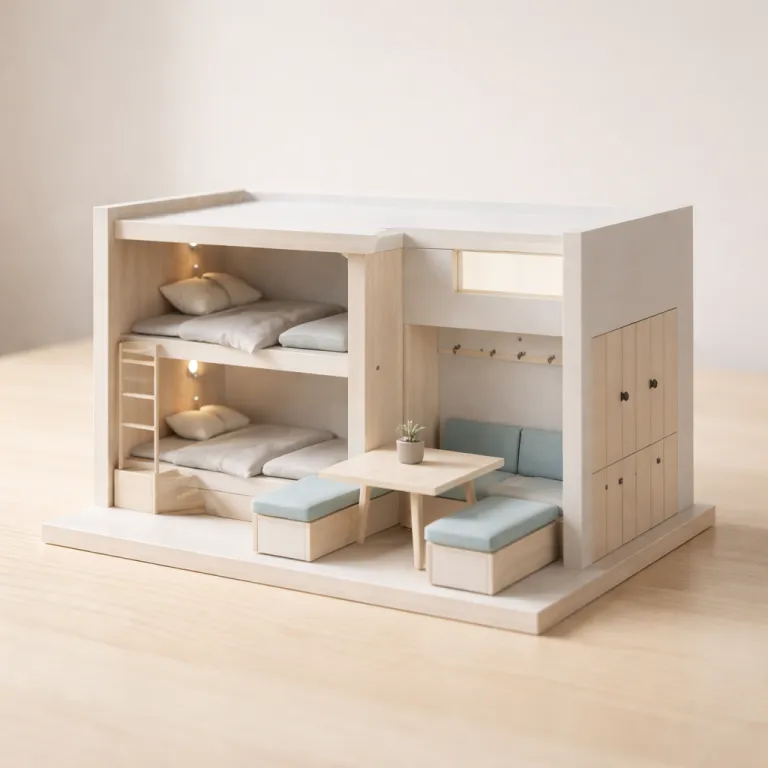
Why hostel design, architecture and interior matter for couples
Walk into a converted warehouse youth hostel and you feel it instantly. The hostel design, architecture and interior quietly choreograph how you move, who you meet, and whether a shared bunk bed can still feel like a premium escape. For couples choosing a youth hostel over anonymous housing blocks, the right design ideas turn a simple bed into a base for slow mornings, late check ins, and long city walks.
Architectural plans are never neutral, because every corridor, central courtyard and lounge zone either invites conversation or shuts it down. Adaptive reuse of old public buildings, from train depots to town houses, tends to create dynamic social pockets, while purpose built student housing style blocks often prioritise efficiency over romance. When you compare interiors in both types of hostel, you start to see how floor layouts, ceiling heights and even the angle of bunk beds decide whether you linger with a glass of wine or retreat behind a curtain.
For a couple, the most interesting hostel design architecture interior usually blends privacy with porous edges. A compact private room with strong interior design can sit just a few steps from a stainless steel clad bar or a green planted terrace, so you can dip in and out of the crowd. On a luxury focused booking website, look for architecture interior descriptions that mention acoustic treatment, layered lighting and clear circulation, because these details signal a project located at the thoughtful end of the spectrum rather than the purely functional.
Adaptive reuse vs new builds: how architecture scripts your stay
Repurposed buildings carry stories in their concrete columns, wooden beams and worn stair treads. When architects work with existing structures, the resulting hostel design architecture interior often celebrates traces of the past while adding crisp new interiors for contemporary comfort. That tension between old and new can be especially appealing for couples who want atmosphere without sacrificing a good mattress or a quiet night.
In Madrid, Stone Designs used this approach at Kanso Hostel, where the architecture interior balances minimal lines with warm textures and carefully framed art. Here, the plans carve out a generous lounge zone and compact rooms that feel more like small urban houses than standard student hostel units, which suits travellers who want intimacy near the city centre. This kind of adaptive reuse echoes the elevated youth hostel stays in Scotland and beyond highlighted in the reimagined Scottish hostels feature, where historic public buildings become refined bases for design aware guests.
Purpose built hostels can be just as compelling when architects start with bold design ideas rather than a generic housing brief. Stacked volumes, playful blocks of colour and a green central courtyard can create dynamic sightlines that encourage gentle people watching from your bunk beds or private balcony. When browsing a premium booking website, pay attention to whether a project located on the urban fringe still offers thoughtful interiors and a strong sense of place, or whether it feels like interchangeable student housing with a reception desk.
Inside the room: pods, bunk beds and couple friendly interiors
Once you close the door or pull the curtain, interior design becomes the main storyteller. The best hostel design architecture interior for couples treats even compact rooms as carefully detailed micro houses, with layered lighting, smart storage and tactile materials. A simple bunk bed can feel indulgent when framed by a wooden headboard, soft textiles and a small shelf for your book and glass.
The pod and capsule trend responds to travellers who want privacy within community, especially in dense cities like a design forward hostel in Bangkok or Tokyo. In a well considered hostel Bangkok project located near transit, pods line up like sculpted blocks, each with its own light, power and ventilation, while the shared lounge zone opens onto a green terrace for coffee and late night chats. This balance is what you see at properties such as Socialtel San José, where an elevated stay for design loving hostel guests shows how interiors can feel both social and cocooning.
Couples should read room descriptions with the same care they give restaurant menus. Look for mentions of sound insulation, high quality mattresses and flexible plans that allow a bunk beds layout to convert into a double, because these details matter more than square metres alone. When a youth hostel invests in strong interior design, from stainless steel bathroom fittings to wooden flooring and soft green accents, the result is a space that respects both your sleep and your shared rituals.
Materials, light and local character in hostel interiors
Material choices are where architecture meets emotion. A wooden facade, polished concrete floor and stainless steel kitchen counter each send different signals about how a youth hostel wants you to feel and behave. For couples, these cues can mean the difference between a place that feels like temporary student housing and one that feels like a discreet urban retreat.
Eco conscious hostels increasingly use recycled shipping containers, bamboo and reclaimed wooden beams, aligning with the wider move toward green building practices in hospitality. Designers and architects report that "Eco-friendly hostel designs." and "Use of upcycled materials in construction." are now central talking points, while guests often ask "What are the benefits of staying in eco-friendly hostels?" and learn that "They reduce environmental impact and offer unique cultural experiences.". These same projects also highlight "Integration of local art and culture." and answer concerns such as "Are hostels using recycled materials safe and comfortable?" with "Yes, they meet safety standards and provide modern amenities."
Lighting and acoustics are the invisible frameworks of any strong hostel design architecture interior. Soft, indirect light in corridors, dimmable lamps near each bunk bed and acoustic panels disguised as art can transform even dense interiors into calm, couple friendly spaces. When you browse curated guides such as the luxury youth hostels redefining premium stays, notice how often the best properties use local art, crafted wooden furniture and green planting to root the building in its neighbourhood rather than in a generic design week trend.
How to read hostel plans and photos like a design insider
Most booking platforms give you more information than you might think. Floor plans, gallery images and short architecture interior notes together reveal how a project located in a busy district will actually feel once you arrive with your bags. Couples who learn to read these clues can quickly separate thoughtful youth hostel design from basic student hostel housing.
Start with the plans when they are available, even if they are simple diagrams. Check how far your chosen room sits from the main lounge zone, bar or public kitchen, because this affects both noise and spontaneity, and look for a central courtyard or terrace that can act as a shared outdoor living room. Interiors that cluster bunk beds away from late night areas usually signal a team that understands how couples and solo travellers share space without friction.
Then move to the photos and short descriptions. Notice whether the hostel in Madrid or a hostel Bangkok property uses consistent materials, such as wooden floors, concrete accents and stainless steel details, to create dynamic visual rhythm rather than visual clutter. When a youth hostel shows both wide shots of communal interiors and close ups of design ideas, from art on the walls to the grain of a wooden table, you can be confident that the architecture, interior design and day to day experience have been considered as one coherent whole.
FAQ
How do architectural choices affect the social atmosphere in a youth hostel ?
Architectural choices determine how easily guests see and meet each other. A layout with a central courtyard, visible lounge zones and clear circulation naturally encourages conversation, while long, narrow corridors and isolated rooms tend to reduce interaction. Couples who want a balance of privacy and community should look for plans that place private rooms near, but not inside, the main social blocks.
Why are eco friendly materials important in hostel interiors ?
Eco friendly materials reduce the environmental impact of each building and often improve indoor comfort. Reclaimed wooden elements, low VOC paints and well insulated concrete or brick walls can stabilise temperature and air quality, which matters in dense student housing style properties. Choosing a youth hostel that invests in green materials also supports operators who prioritise long term sustainability over short term savings.
Are hostels using recycled materials as safe and comfortable as conventional ones ?
Hostels built with recycled materials must still comply with local building codes and safety standards. When architects use upcycled shipping containers or reclaimed wooden structures, they reinforce and insulate them to meet the same performance benchmarks as new construction. Guests typically experience these interiors as equally comfortable, with the added benefit of a distinctive story and texture.
What should couples prioritise when choosing between a private room and a pod ?
Couples who value uninterrupted privacy and storage space usually prefer a compact private room. Pods or capsules work well when you plan to spend most of your time in public areas and only need a quiet, dark place to sleep. On a premium booking website, compare not just price but also interior design details such as sound insulation, lighting and proximity to the lounge zone.
How can I tell from photos whether a hostel will be noisy or calm ?
Photos that show bunk beds directly beside bars or kitchens often indicate higher noise levels. If images reveal separate floors for sleeping areas, thick doors and clear transitions between social and quiet zones, the hostel is more likely to feel calm. Reading guest reviews alongside the visual cues from architecture interior photos gives the most reliable picture of the acoustic experience.