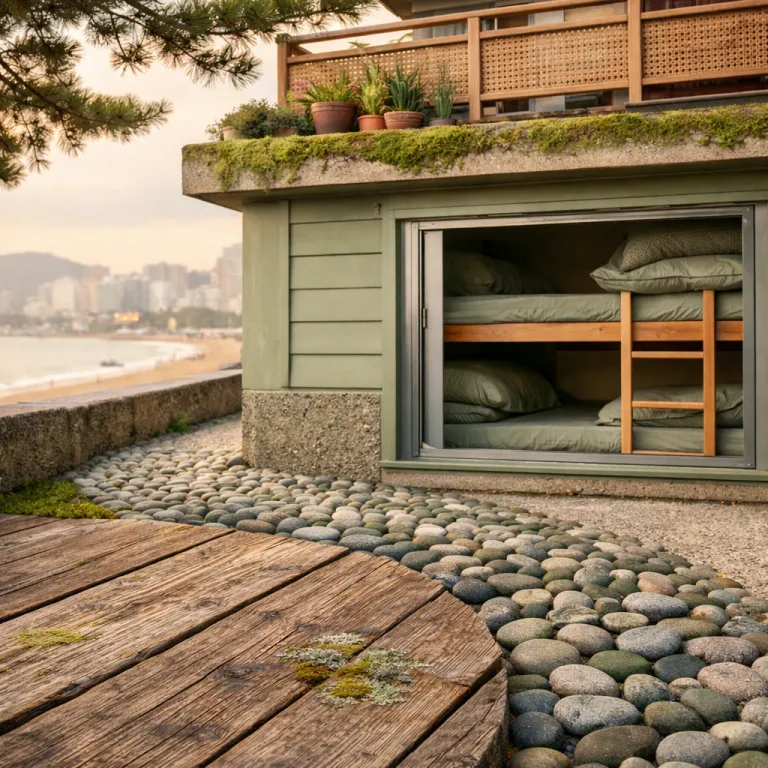
Choosing where to stay in Busan for premium youth hostels
Understanding where to stay in Busan starts with the city’s layout. The city stretches along the coast of South Korea, so each beach and district shapes a different style of stay. When you plan your stay Busan itinerary, think about how much time you want near a famous beach versus in the lively city center.
For first time visitors asking where to stay in Busan, Haeundae is often the best answer. This popular beach area combines Haeundae Beach, upscale youth hostel options, and easy access to the subway station network. Many premium hostel Busan properties here feel almost like a design forward hotel, yet keep shared lounges and social kitchens that appeal to younger travelers.
Seomyeon suits travelers who want a central area stay with quick transport. From this city center hub, several subway lines connect you to Busan Station, Nampo Dong, and every major beach in less than thirty minutes. Choosing a luxury style youth hostel in Seomyeon means you can stay close to nightlife while still reaching Haedong Yonggungsa or Gamcheon Culture Village during the day.
Nampo and nearby Nampo Dong offer a different answer to where stay in Busan. Here, the focus is on markets, history, and the port, with Jagalchi market, BIFF Square, and Yeongdo Island all close by. Premium hostels in this area stay true to the neighborhood’s character, often integrating local Korea design touches and views over the harbor.
When comparing each place to stay, consider how you move. Proximity to a subway station, bus stops, and the main Busan Station can dramatically reduce travel time between attractions. This is especially important if you want to visit both a temple such as Yonggungsa Temple and a beach like Gwangalli Beach or Songdo Beach in a single day.
Haeundae Beach and Gwangalli Beach for coastal luxury hostels
Many travelers who ask where to stay in Busan are really asking which beach suits their style. Haeundae Beach is the most famous beach in the city, with a long sandy curve, polished promenades, and a skyline of high rise hotel Busan properties. Alongside these, you now find premium youth hostels that offer private rooms with hotel level bedding and shared spaces designed for digital nomads.
These elevated hostels near Haeundae balance price and comfort. You can stay within a short walk of the beach, enjoy rooftop terraces, and still pay less than a comparable hotel in South Korea. The area stay options also include capsule style dorms, ideal if you want privacy but still appreciate the social side of hostel life.
Gwangalli Beach offers a slightly more relaxed answer to where to stay in Busan by the sea. The shoreline faces the illuminated Gwangan Bridge, and evenings here feel cinematic, especially from hostel balconies or shared lounges. Luxury leaning hostels in this district often highlight the view, turning the bridge and the famous beach into a nightly backdrop for guests.
Between Haeundae and Gwangalli, you can easily reach other coastal attractions by subway or bus. Songdo Beach lies further along the coast, with its marine cable car and clifftop walks, and some travelers choose to stay there for a quieter atmosphere. When you compare these beach districts, consider how much nightlife, dining variety, and transport access you want during your stay Busan trip.
Even in coastal areas, travelers focused on design and comfort increasingly expect the refinement of a traditional hotel. Properties such as Lotte Hotel set the tone for service standards, and many premium hostels now echo that level of professionalism. For more context on how upscale hostels operate in urban destinations, you can look at an example of elegant stays in a hybrid hotel hostel concept, which mirrors trends appearing around Haeundae Beach and Gwangalli Beach.
Seomyeon and the city center for connected, stylish hostel stays
Travelers who prioritize connectivity often find that Seomyeon is the best answer to where to stay in Busan. This central district sits at the intersection of key subway lines, so you can reach Busan Station, Nampo, Haeundae, or Gwangalli in efficient time. For guests staying in South Korea to explore multiple cities, that centrality makes Seomyeon an ideal base.
Premium youth hostels here lean into an urban aesthetic. Interiors feel closer to a lifestyle hotel, with polished concrete, curated lighting, and café style lobbies where remote workers share long tables. Because the area stay options are dense, you can find both quiet hostels on side streets and livelier properties near the main shopping avenues.
From Seomyeon, you can easily plan day trips to cultural attractions. Gamcheon Culture Village and the broader Gamcheon Culture area are reachable by bus and subway, while Haedong Yonggungsa and Yonggungsa Temple require a slightly longer ride toward the coast. Many hostels provide printed guides that explain which subway station to use for each temple, village, or beach, helping guests manage their time efficiently.
When evaluating where stay in Busan’s city center, look at more than just price. Check whether your chosen place to stay offers female only dorms, private rooms, and quiet hours, especially if you are combining nightlife with early morning sightseeing. Some properties now position themselves as luxury hostels, offering spa style bathrooms and high thread count linens that rival a midscale hotel Busan experience.
For travelers comparing international options, it can be useful to see how premium hostels operate in other cities. A guide to stylish budget travel with premium youth hostels in Copenhagen illustrates how design, comfort, and community can coexist, a model increasingly visible in Seomyeon and the wider city center. This perspective helps you benchmark what to expect when you stay Busan in a higher end hostel environment.
Nampo, Nampo Dong, and Busan Station for culture rich stays
If your idea of where to stay in Busan centers on street food, markets, and harbor views, Nampo and Nampo Dong deserve close attention. This historic area blends traditional Korea culture with modern shopping streets, making it a compelling area stay choice. From many hostels, you can walk to Jagalchi market, BIFF Square, and the waterfront in just a few minutes.
Premium youth hostels here often occupy renovated buildings, preserving character while upgrading comfort. Interiors may feature exposed brick, local art, and shared kitchens where guests cook seafood bought fresh from the market. This style of stay Busan experience feels immersive, especially if you enjoy exploring narrow alleys and hidden cafés.
Busan Station sits a short subway ride away, and some travelers prefer to stay near the station for convenience. This location works particularly well if you are arriving by KTX from elsewhere in South Korea or continuing onward after a short visit. Hostels around Busan Station usually emphasize practicality, with luggage storage, early check in options, and clear directions to every subway station nearby.
From Nampo and Busan Station, it is easy to reach Gamcheon Culture Village and the broader Gamcheon Culture hillside. Many hostels organize small group walks to the village, explaining its history as you navigate the colorful lanes. You can also connect by bus to Yeongdo Island, where coastal trails and viewpoints offer a quieter contrast to the busy market streets.
When comparing where stay in this part of the city, consider how much you value immediate access to attractions versus quieter nights. Some streets near BIFF Square stay lively late, while side streets closer to the port feel calmer. For travelers who appreciate coastal accessibility in other destinations, resources on accessible coastal stays with inclusive public areas can provide useful benchmarks for evaluating facilities in Nampo and around Busan Station.
Temples, villages, and coastal walks near Busan’s premium hostels
Many travelers asking where to stay in Busan want easy access to cultural sites as well as beaches. Haedong Yonggungsa, often called Yonggungsa Temple, sits dramatically on cliffs above the sea and is one of the city’s most photogenic attractions. Reaching it from Seomyeon, Haeundae, or even Nampo usually involves a combination of subway and bus, so proximity to a major station can save valuable time.
Gamcheon Culture Village remains another essential stop. This hillside neighborhood, part of the wider Gamcheon Culture area, is known for its pastel houses, murals, and narrow stairways that wind between viewpoints. Staying in a hostel that offers clear route maps and suggested walking paths can make your visit smoother, especially if you are short on time.
Yeongdo Island offers a different perspective on the city. Linked to the mainland by bridges, it combines working port facilities with scenic coastal walks and cafés overlooking the water. Some travelers choose to stay near Nampo Dong and then spend a full day exploring Yeongdo Island, returning in the evening to enjoy the market and BIFF Square.
Songdo Beach, with its curved bay and marine cable car, provides another answer to where stay if you prefer quieter evenings. A few premium hostels here position themselves as coastal retreats, yet still connect efficiently to the city center by bus. From Songdo Beach, you can watch the city lights from a distance, then head back into Busan for further attractions the next day.
When planning your stay Busan itinerary, map out how many temple, village, and beach visits you realistically have time for. Consider whether your chosen place to stay offers early breakfast, luggage storage, and staff who can advise on the fastest routes. These details can make the difference between a rushed schedule and a balanced experience of South Korea’s second largest city.
How luxury and premium youth hostels redefine where to stay in Busan
The rise of luxury and premium youth hostels has changed how travelers think about where to stay in Busan. Instead of choosing between a traditional hotel and a basic dorm, guests can now book properties that blend hotel level comfort with hostel style community. This shift is particularly visible around Haeundae Beach, Gwangalli Beach, and the city center.
In these areas, many hostels now offer private rooms with en suite bathrooms, high quality mattresses, and amenities once associated only with a hotel Busan stay. Shared spaces remain central, but they feel curated rather than improvised, with coworking corners, café quality coffee, and quiet zones for reading. For guests who value design, these details can make an area stay feel significantly more refined.
At the same time, the social aspect of hostel life remains strong. Common kitchens, movie rooms, and rooftop terraces encourage interaction, which is especially valuable for solo travelers navigating South Korea for the first time. Staff often act as informal concierges, recommending which subway station to use for Haedong Yonggungsa, which market stall to try near Nampo Dong, or which famous beach suits your mood that day.
One challenge in this evolving landscape is that many booking platforms still lack a specific category for premium youth hostels. Travelers searching where stay or place stay often see only hotel or standard hostel filters, making it harder to find properties that sit between these categories. This gap means you may need to read descriptions carefully, looking for cues such as upgraded linens, design focused interiors, and service standards comparable to brands like Lotte Hotel.
As demand grows, it is likely that more platforms will refine their categories, helping travelers quickly find the best stay Busan options that match their expectations. Until then, combining map views, guest photos, and detailed reviews remains the most reliable way to identify truly premium hostels across the city center, beach districts, and cultural neighborhoods.
Practical tips for choosing the best area stay in Busan
When deciding where to stay in Busan, start by ranking your priorities. If your main goal is beach time, focus on Haeundae Beach, Gwangalli Beach, or Songdo Beach, each offering a different balance of nightlife, calm, and scenery. If you care more about markets, temples, and villages, then Nampo, Nampo Dong, and the areas around Busan Station may suit you better.
Next, consider transport and how often you plan to move around the city. Staying near a major subway station in Seomyeon or the city center can significantly reduce travel time to attractions such as Haedong Yonggungsa, Yonggungsa Temple, Gamcheon Culture Village, and Yeongdo Island. Even when you stay close to a famous beach, quick access to the subway helps you reach other districts without stress.
Budget is another key factor, even within the luxury and premium hostel segment. Prices can vary between a coastal hotel Busan property and a high end hostel in the same neighborhood, so compare inclusions such as breakfast, laundry, and coworking spaces. Sometimes the best value place to stay is a premium hostel that offers hotel level comfort but retains the flexibility and community of hostel life.
Finally, pay attention to reviews that mention noise levels, cleanliness, and staff support. Comments about how a property handled late check in, luggage storage, or last minute itinerary changes can be especially revealing. “Haeundae and Seomyeon are recommended for first-time visitors due to their amenities and accessibility.” and “Yes, all mentioned districts have good public transportation links.” and “Yes, each area offers a range of accommodations to suit various budgets.”
By weighing these elements carefully, you can choose an area stay that aligns with your expectations for comfort, culture, and convenience. Whether you gravitate toward the energy of Haeundae, the connectivity of Seomyeon, or the character of Nampo, Busan offers a rich spectrum of premium youth hostels. With thoughtful planning, your stay Busan experience can feel both luxurious and authentically rooted in South Korea’s coastal city.
Key statistics about where to stay in Busan
- Busan offers at least 7 distinct beaches, giving travelers multiple coastal districts to consider when deciding where to stay in Busan.
- Haeundae Beach welcomes around 10 million visitors annually, underlining its status as the city’s most famous beach and a prime area stay choice.
Essential questions about choosing your stay in Busan
Which area in Busan is best for first-time visitors?
For first time visitors, Haeundae and Seomyeon work particularly well because they combine strong amenities with excellent transport. From these districts, you can reach Busan Station, major beaches, and cultural attractions without complicated transfers. Both areas also offer a wide range of premium youth hostels, making it easier to match your preferred balance of comfort and budget.
Is public transportation easily accessible in these areas?
Public transportation is straightforward in all the main districts discussed. Haeundae, Seomyeon, Nampo, Gwangalli, and the surroundings of Busan Station are all served by multiple subway lines and bus routes. This network allows you to move efficiently between the city center, beaches, markets, and temples during your stay Busan trip.
Are there budget-friendly accommodations in these areas?
Each of the highlighted districts offers a spectrum of prices, even within the premium hostel category. You can often find dorm beds and compact private rooms that feel more refined than traditional hostels but remain more affordable than a comparable hotel. Reading recent reviews and checking what is included in the nightly rate will help you identify the best value options in your chosen area stay.