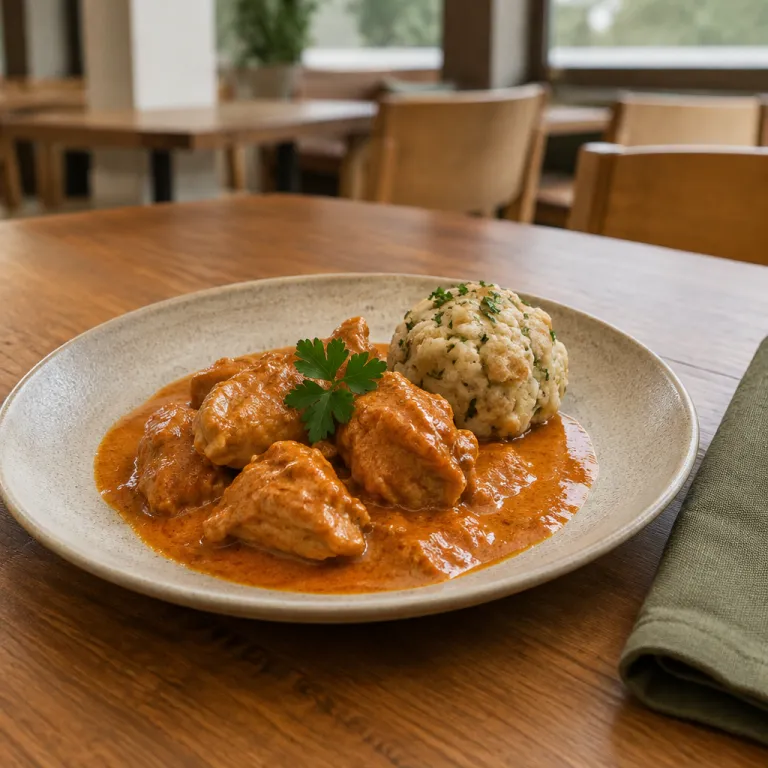
Why paprikahendl belongs on a luxury youth hostel booking radar
When you browse a premium booking website for youth hostels in Vienna, you probably expect sleek bunk rooms and strong Wi‑Fi, not a lesson in paprikahendl heritage. Yet the most refined properties now treat this paprika chicken classic as a culinary calling card, using it to signal both local authenticity and elevated comfort. In a market where design and digital convenience feel similar, a carefully curated chicken paprikash experience can quietly separate one luxury hostel from the rest.
Paprikahendl, often translated as paprika chicken or Hungarian chicken paprikash, is a shared Hungarian and Austrian dish where tender chicken pieces are gently braised in a velvety paprika sauce enriched with cream and sour cream. Under the Habsburg monarchy, Viennese cuisine adopted this recipe Austrian style, turning it into a staple of the city’s warm, slow‑simmered comfort food culture. For a traveler comparing hostels within a few kilometres of Vienna’s historic centre, a kitchen that respects this tradition can be as persuasive as an extra two square metres of floor space.
On high end booking platforms, you now see detailed culinary descriptions sitting beside bed types and late check out policies, and paprikahendl often appears as the flagship recipe. Curated photos show a heavy pot on gentle heat, onions finely chopped and glistening in chicken stock, while a chef prepares to add paprika powder and sweet paprika in measured spoonfuls. This is not just about one plate of paprika chicken; it is about using a single, deeply rooted recipe to frame the entire hostel as a gateway to Austrian taste, history, and shared table culture.
From Habsburg kitchens to hostel tables: the Viennese paprikahendl story
Understanding why paprikahendl matters on a luxury youth hostel booking website starts with geography and history. Vienna, set at 48.2082° N and 16.3738° E, absorbed Hungarian chicken paprikash during the Habsburg era and gradually turned it into a Viennese comfort staple. That shared Austrian Hungarian heritage now lets hostels market paprikash not as a tourist gimmick, but as a bridge between cultures for guests who want more than a quick plate of pasta.
Historical recipes describe how cooks would brown chicken pieces, add chicken stock, then patiently stir in paprika powder and onions before finishing the sauce with cream, flour, and sour cream. The Habsburg monarchy and Viennese cuisine acted as a cultural transmitter that adapted Hungarian paprika chicken (Paprikás csirke) into Austrian cuisine. When a modern hostel chef follows a recipe Austrian in spirit, using a wide pot, low heat, and at least several minutes of gentle simmering to coax sweetness from the onions, the result feels anchored in that lineage rather than improvised for social media.
Several Vienna hostels now build themed evenings around paprikahendl, pairing it with Nockerl or Spätzle and a glass of local white wine from the Wachau valley. At Wombat’s City Hostel Vienna Naschmarkt, for example, one chef describes their paprikash nights as “a weekly excuse to slow down and let the whole room smell like sweet paprika and onions,” a quote echoed in multiple guest reviews. Guests might be invited to ask for Sauce sämig, signalling a preference for a particularly smooth and glossy sauce texture. If you are planning a stay focused on both savoury dishes and sweet finishes, it is worth reading how a property connects its savoury paprikash nights with refined dessert rituals, and guides such as Viennese dessert rituals to elevate your luxury youth hostel stay in Vienna can help you evaluate that full culinary arc.
Inside the pot: how premium hostels elevate the paprikahendl recipe
On a serious luxury focused booking site, the description of paprikahendl should read like a compact culinary brief, not a vague promise of “home cooked food”. Look for hostels that specify which paprika they use, how long they heat the sauce, and whether the onions are finely chopped and slowly sweated before they add chicken. When a property explains that it uses both sweet paprika and a touch of smoked paprika powder, you know the kitchen is thinking about depth rather than shortcuts.
A well written menu note might say that the chef browns the chicken pieces in a wide pot for several minutes per side, seasons with salt, pepper, and a measured teaspoon salt, then chooses the right moment to add paprika so it blooms in the fat without burning. After that, they stir in onions, a bay leaf, and enough chicken stock to cover, then let everything simmer for around twenty minutes until the meat is tender and ready for the final mix of cream and sour cream. To keep the cream flour liaison lump free, the team will whisk flour smooth with a little white wine or stock before they add this to the sauce, ensuring a silkier texture that feels worthy of a premium dining room even if you are eating beside bunk beds.
Some hostels go further and publish a partial recipe, explaining how many minutes they simmer the paprikash base before they remove chicken to rest and reduce the sauce. Others highlight that they use more regional poultry breeds and farm to table suppliers, aligning their paprika chicken with broader sustainability commitments. When you see this level of detail, especially on curated platforms that also showcase elevated breakfast pastries and gipferl moments and elevated culinary experiences, you can be confident that paprikahendl is treated as a signature, not an afterthought.
How to read menus and photos: practical booking tips for paprikahendl lovers
When you scroll through a luxury youth hostel listing, the food gallery can tell you as much as the room photos. Zoom in on any image of paprikahendl and check whether the sauce clings lightly to the chicken pieces, suggesting that the cream flour mixture was cooked long enough to become smooth rather than pasty. A glossy surface usually means the chef took those extra minutes to stir and adjust heat instead of rushing the dish to the table.
Menu language matters too, especially for a nuanced recipe Austrian in origin. Phrases such as “slow simmered paprika chicken with onions and sour cream” or “traditional chicken paprikash finished with sweet paprika and white wine” indicate that the kitchen respects both the Hungarian roots and the Viennese style evolution. If the description mentions a bay leaf, carefully balanced salt pepper seasoning, and a final mix of cream and sour cream off the heat, you can expect a sauce that feels layered rather than flat.
Do not hesitate to message the hostel before booking and ask how they add paprika and how long they simmer the base. Serious teams will happily explain whether they add chicken early to braise gently or brown it first, then remove chicken while they reduce the sauce for a few extra minutes. Their answers will help you compare properties just as clearly as bed counts or wellness facilities, especially when you cross check them with editorial guides on wellness focused hostels such as why wellness hostels are drawing a new kind of traveler, where food quality is treated as part of holistic care.
Shared kitchens, chef tables, and paprikahendl as a social ritual
Luxury youth hostels increasingly blur the line between guest kitchen and professional pass, and paprikahendl sits right at that intersection. Some properties host weekly classes where a chef demonstrates how to add chicken to a hot pot without cooling the base too much, then invites guests to stir the sauce and taste how paprika changes as it toasts. Those sessions turn a simple recipe into a shared ritual, especially when everyone gathers later to eat at long tables.
In these classes, you might watch the chef sauté onions in chicken stock and fat for several minutes, sprinkle in sweet paprika and paprika powder, then carefully add paprika again later to adjust colour and aroma. They will probably explain why they keep the heat moderate, why they use a bay leaf for subtle herbal notes, and why they season with teaspoon salt amounts rather than guessing. When the time comes to mix sour cream with a little sauce and whisk the flour smooth before folding it back into the pot, guests see first hand how a classic chicken paprikash becomes the glossy paprikahendl they recognise from Viennese taverns.
For solo travelers or small groups, these experiences can be as memorable as a museum visit, and they justify choosing a slightly higher nightly rate on a premium booking platform. One guest at a boutique hostel near Vienna’s Gürtel recently described a paprikash workshop as “the moment strangers at my table stopped being just roommates and started feeling like friends,” a sentiment repeated in several travel blogs. You are not just paying for a bed; you are paying for access to a living Austrian recipe tradition that treats paprika chicken as a cultural artefact. When a hostel positions paprikash nights alongside yoga sessions, rooftop events, or curated city walks, it signals that food, wellness, and social connection are all part of the same carefully designed stay.
Nutrition, comfort, and how paprikahendl fits a modern hostel lifestyle
Travelers who care about wellness often worry that rich dishes will clash with their routines, so it helps to look at paprikahendl through a nutritional lens. A typical four serving Thermomix recipe for this dish is reported at about 707 kilocalories per portion, which is substantial but reasonable after a day walking 10 kilometres through Vienna’s streets and museums. Luxury hostels that communicate these figures transparently on their booking pages show respect for guests who track their intake as carefully as they track their budget.
Many kitchens now adapt the classic recipe without losing its Austrian style character, trimming visible fat from the chicken pieces, using more onions and paprika to build flavour, and thickening the sauce with a lighter cream flour ratio. Some replace part of the sour cream with yoghurt, or extend the sauce with extra chicken stock so the same teaspoon salt and salt pepper balance seasons a slightly larger volume. When chefs explain that they simmer the pot a few minutes longer to reduce the sauce gently instead of adding more flour, you know they are prioritising flavour and digestibility over shortcuts.
For guests who prefer plant forward plates, a few hostels offer vegetable paprikash alongside the traditional paprika chicken, using mushrooms or root vegetables in place of meat while keeping the same pot method and white wine deglaze. This lets mixed groups share a similar sensory experience, from the aroma when they add paprika to the final stir that makes the sauce shine. When you see this level of menu thoughtfulness on a booking site, it is a strong sign that the property treats food as part of overall guest wellbeing rather than an afterthought to room revenue.
Key figures and data points for paprikahendl focused hostel stays
- One widely referenced Thermomix recipe for paprikahendl lists approximately 707 kilocalories per portion for a four serving pot, which makes it comparable in energy to many classic pasta dishes while offering higher protein from the chicken.
- Vienna’s coordinates at 48.2082° N and 16.3738° E place it within easy rail reach of both Hungarian and broader Central European regions, which helps luxury youth hostels source paprika, white wine, and regional poultry for authentic paprikash preparations.
- Historical timelines show paprikahendl evolving from Hungarian origins into an Austrian classic during the Habsburg era, a period when cross border culinary exchange helped standardise the use of sweet paprika, onions, and sour cream in shared recipes.
- Many modern Viennese kitchens, including those in premium hostels, now highlight the use of more regional poultry breeds and farm to table suppliers, aligning paprikahendl service with broader sustainability and animal welfare expectations among younger travelers.
FAQ: paprikahendl and luxury youth hostel experiences
What is paprikahendl in English ?
What is Paprikahendl in English? Paprika chicken or Hungarian chicken paprikash. On luxury youth hostel menus, you will usually see it described as paprika chicken in a creamy sauce, often with a note about its Hungarian roots and Austrian adaptation.
What ingredients are essential for authentic paprikahendl ?
What ingredients are essential? Chicken, sweet paprika, onions, stock and sour cream. In practice, most hostel kitchens also use a bay leaf, salt pepper, a little flour whisked smooth with cream or milk, and sometimes white wine to deglaze the pot before they add chicken stock.
Where did paprikahendl originate, and why is it common in Vienna hostels ?
Where did it originate? Hungary; adopted by Austrian cuisine. It became popular in Vienna during the Habsburg era, and today luxury youth hostels use this shared heritage to offer guests a dish that feels both local and regionally connected, especially when served with Nockerl or Spätzle.
How long should paprikahendl cook, and what should I look for on menus ?
Most traditional recipes brown the chicken pieces for several minutes, then simmer in stock and paprika until tender, with total cooking time often around 45 to 60 minutes. On hostel menus or booking descriptions, look for mentions of slow simmering, sweet paprika, onions, and a final mix of cream and sour cream added off the heat to keep the sauce smooth.
Can paprikahendl fit into a wellness focused stay at a luxury youth hostel ?
Yes, especially when kitchens use lean chicken, moderate cream, and plenty of onions and paprika for flavour instead of excess fat. Many wellness oriented hostels publish calorie estimates, offer smaller portions of paprika chicken alongside salads, and schedule paprikash nights after active days so guests can enjoy the comfort of the dish without compromising their broader health goals.