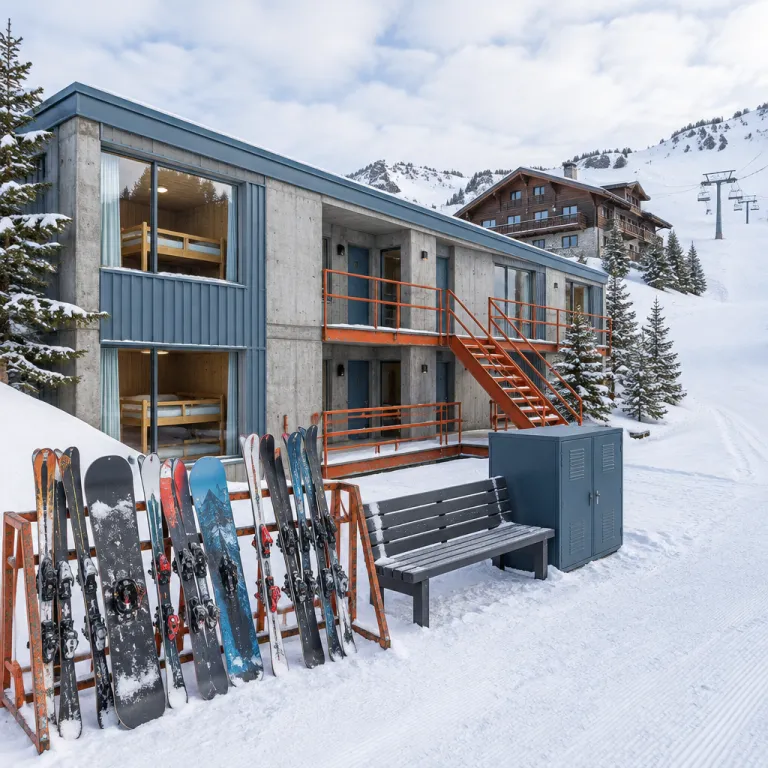
The new logic of ski hostel winter accommodation on the mountain
Choosing a ski hostel or winter lodge close to the slopes changes how you calculate a ski trip. Instead of pouring most of your budget into a chalet or classic hotel, you shift the spend toward lift passes, lessons, and the kind of winter sports experiences that actually stay with you. For many sports enthusiasts and premium family travelers, that trade feels not only rational but quietly luxurious.
In the same resort area where a mid range room can swallow several hundred dollars a night, a well run hostel or mountain lodge often offers beds at a fraction of the price. That price gap is what makes a week long ski season stay viable for a family that wants more than a rushed weekend. The value becomes even clearer when you compare what is included, from drying rooms to communal kitchens that cut restaurant costs every night.
Think of a modern ski hostel as a precision tool rather than a compromise. You still sleep minutes from the lift, still wake to the same Alps sunrise, still walk to the same ski areas and ski runs as guests in the chalet next door. The difference is that your budget stretches to an extra day of skiing, upgraded lift tickets, or a guided winter ski experience instead of disappearing into square meters you barely use.
Luxury, in this context, is not marble bathrooms but smart proximity. A good hostel style ski property gives you a warm bed, strong showers, and a social lounge, then places you close enough to the slopes that you can be at the first lift without touching a shuttle. When you are planning a ski trip with children or friends, that combination of location and price is often the most amazing upgrade of all.
Where ski hostels shine: alps, Rockies, Scandinavia, and Japan
The Alps remain the reference point for anyone weighing a ski hostel winter accommodation budget near the slopes mountain wide. Austria and Switzerland in particular have refined the hostel model into something precise, with properties that sit within walking distance of the lift in classic ski resorts. In these regions, you often find a variety of hostels that feel purpose built for winter sports rather than summer hikers who happen to tolerate snow.
In the Swiss Alps, places like hostel Switzerland properties around Verbier, Laax, and the Valais area show how far the category has evolved. You might book a bunk at Relais Dranse near the ski resort of Champéry, then realize you are sharing a lounge with off duty ski instructors and sports enthusiasts who know every hidden line. In winter 2023–24, typical dorm beds there started around CHF 45–55 per night and private rooms from roughly CHF 150, with the village gondola about a ten minute walk away, according to the property’s published rates and local tourism listings.
Across the Atlantic, the Rockies offer a different rhythm but the same logic. Colorado and Utah ski resorts now host a small but growing set of hostels that sit on bus lines or within short walks of major ski areas, giving budget travelers access to big mountain terrain. For example, several hostels in Summit County price winter dorm beds from about US$50–70 per night and sit within a five to fifteen minute shuttle ride of Breckenridge or Keystone, based on regional booking platforms. If you are planning a longer winter ski stay, these beds can turn a three night trip into a full week without breaking your budget.
Scandinavia and Japan’s powder belt add two more compelling chapters. In Norway and Sweden, hostels near resorts like Trysil or Åre combine efficient design with early breakfast service tailored to first lift chasers, while Japanese hostels in Hokkaido place you close to deep powder ski runs and low key après ski bars. For summer inspiration in the same mountains, our guide to August in the Alps mountain hostels shows how these properties pivot seamlessly between hiking trails and winter sports seasons.
What to look for in a mountain hostel during ski season
When you filter options for a ski hostel winter accommodation budget near the slopes mountain side, facilities matter as much as price. Drying rooms and heated boot storage are non negotiable if you want your ski experience to feel civilized rather than damp and chaotic. A well designed hostel ski property will also separate gear zones from quiet areas so families can sleep while late arrivals unpack.
Check how close the hostel sits to the nearest lift and main ski resort base. Walking five minutes in ski boots to the gondola is very different from waiting twenty minutes for an irregular shuttle, especially with children and winter gear. Proximity to ski areas also shapes your après ski options, because a central location means you can step from slopes to shower to common room without wasting time.
Partnerships with ski resorts can quietly transform your budget. Some hostels negotiate discounted lift passes or bundled lift tickets, while others arrange rental deals that shave a meaningful amount off a week long ski trip. For instance, several Swiss and Austrian youth hostels advertise winter packages where a six day regional lift pass is discounted by 10 to 20 percent compared with buying it on site, based on offers listed by national hostel associations and local tourism boards. When a property openly lists these offers and ski packages on its website, you can compare the total cost of your winter ski stay rather than just the nightly rate.
Food timing is another detail that separates a great hostel from a merely cheap one. Early breakfast service aligned with first lift opening times, plus access to a guest kitchen for simple family dinners at night, can save both money and energy. For shoulder season inspiration beyond winter, our feature on autumn hostels where the leaves do the decorating shows how the same properties adapt to different mountain moods.
Why ski hostels work for premium families and small groups
For a premium family planning a ski hostel winter accommodation budget near the slopes mountain wide, the numbers tell only half the story. Yes, a private family room in a hostel usually undercuts a comparable room in the same resort by a wide margin, especially during peak winter season. But the real gain lies in how these hostels offer family friendly layouts that make multi night stays feel relaxed rather than cramped.
Many Alps hostels now design rooms with four or six beds, giving parents and children a shared space that feels more like a simple chalet apartment than a dorm. When you add a communal lounge where kids can play board games while adults plan the next day’s ski runs, the overall experience becomes surprisingly refined. In the Swiss Alps, properties such as Relais Dranse and other hostel Switzerland addresses show how thoughtful zoning can keep noise away from early sleeping families.
Shared kitchens and laundry facilities also matter for longer winter sports trips. Cooking a few meals in house can cut the budget dramatically, especially in high price ski resorts where restaurant dinners add up quickly for a family of four. Having laundry on site means you can pack lighter for your ski trip, which is useful when you are juggling children’s gear and your own skis.
Social spaces are the final quiet luxury. Instead of retreating to separate hotel rooms after night falls, families and small groups can linger in the common room, swap ski season stories with other guests, and let teenagers enjoy a bit of supervised independence. That blend of privacy, connection, and value is exactly what many sports enthusiasts now seek when they choose hostels over more traditional resort options.
Booking strategy: timing, value, and the art of the long stay
Securing the right ski hostel winter accommodation budget near the slopes mountain side starts with timing. Peak weeks around Christmas and February school holidays in the Alps and Rockies sell out early, especially in hostels that sit close to the main lift. If you want a private family room or a specific bed configuration, booking several months ahead is not caution but common sense.
Shoulder periods at each ski resort often deliver the best value. Early December and late March can bring quieter slopes, softer prices, and a more relaxed hostel atmosphere, while still offering reliable winter ski conditions in higher ski areas. During these windows, some hostels and ski resorts quietly roll out offers and ski packages that bundle lift passes, rental gear, and accommodation into one clear rate.
Length of stay also shapes your budget and your experience. Many hostels offer reduced nightly rates for week long bookings, which can make a seven night ski trip only marginally more expensive than five nights when you factor in fixed travel costs. That extra time on the mountain lets you explore more ski runs, adjust to altitude, and enjoy a rest day without feeling you are wasting money.
Finally, think about flexibility. If your dates are not tied to school calendars, you can target midweek arrivals when both beds and lift tickets are less in demand, especially in the Swiss Alps and larger European ski resorts. For more seasonal ideas on stretching your travel calendar, our feature on festival hostels worth crossing borders for shows how timing can unlock both savings and atmosphere.
The social side: après ski in the common room, not the lobby
One of the quiet joys of a ski hostel winter accommodation budget near the slopes mountain wide is what happens after the lifts close. Instead of drifting through an empty lobby, you step into a common room where damp gloves steam on radiators and conversations jump from snow conditions to local food. That atmosphere turns a simple ski trip into a layered experience that extends well beyond the ski runs.
Après ski in a hostel setting feels less about being seen and more about being included. You might share a table with a family from another country, a group of sports enthusiasts chasing every storm, and a solo traveler who knows the best tree lines in the area. Over time, these informal briefings become as valuable as any guidebook, especially in complex ski areas where local knowledge can steer you toward the right lift at the right hour.
Properties in the Swiss Alps and other major ski resorts now lean into this social energy. Some hostels organize guided night skiing outings, wax clinics, or film screenings, while others simply keep the bar warm and the lighting soft so people linger naturally. In places like Relais Dranse, the line between staff and guests often blurs into a shared winter sports community that renews itself each ski season.
For families, this social layer can be a subtle but important form of support. Children find playmates, teenagers gain a safe sense of independence, and parents pick up practical tips on everything from lift passes to the best walking routes back to the hostel. When you add up the value of those connections, the hostel becomes more than a bed near the mountain; it becomes part of the story you take home.
Key figures that frame the value of ski hostels
- In major European ski resorts, accommodation typically represents around 35 to 50 percent of a total ski trip budget for a family, according to breakdowns published by the Ski Club of Great Britain and regional tourism boards, which regularly analyse sample itineraries and cost structures.
- Hostel beds in established Alps destinations often cost 30 to 60 percent less per night than entry level hotel rooms in the same area, based on price comparisons from national youth hostel associations and Hostelling International style networks that track seasonal averages.
- Data from Swiss and Austrian tourism offices indicate that average stays in mountain hostels during winter season run between 4 and 6 nights, compared with 2 to 4 nights in traditional hotels, suggesting that lower nightly rates encourage longer trips and more time on the slopes.
- Surveys by the Adventure Travel Trade Association and similar organizations report that more than half of young sports enthusiasts prioritize access to winter sports infrastructure and ski areas over in room amenities when choosing accommodation, highlighting why location and lift access dominate decision making.
- Lift passes and lift tickets can account for roughly 25 to 35 percent of a winter ski holiday budget in the Swiss Alps and other high profile ski areas, which is why savings on accommodation in hostels directly translate into more days on the slopes or higher grade passes, according to regional tourism statistics and operator reports.
FAQ: ski hostels and winter mountain stays
Are ski hostels suitable for families with young children ?
Yes, many ski hostels now design private family rooms with four to six beds, sound insulated doors, and access to quiet zones, making them suitable for families with young children who need predictable sleep and space.
How close can a hostel be to the ski lifts and slopes ?
In well planned ski resorts, some hostels sit within a five to ten minute walk of the main lift, while others are one or two bus stops away, so always check the exact distance and transport options before booking.
Do ski hostels offer discounted lift passes or ski packages ?
Many mountain hostels partner with local ski resorts to offer discounted lift passes, rental deals, or bundled winter ski packages, and these offers are usually listed on the property’s website or booking page.
What facilities should I expect in a good winter sports hostel ?
A well equipped ski hostel should provide heated boot storage, drying rooms for clothing, secure lockers for equipment, early breakfast options, and common rooms where guests can relax after a day on the mountain.
When is the best time to book a ski hostel for peak season ?
For peak weeks around Christmas and school holidays in popular Alps and Rockies resorts, it is wise to book several months in advance, while shoulder periods in early December and late March usually offer more availability and better rates.