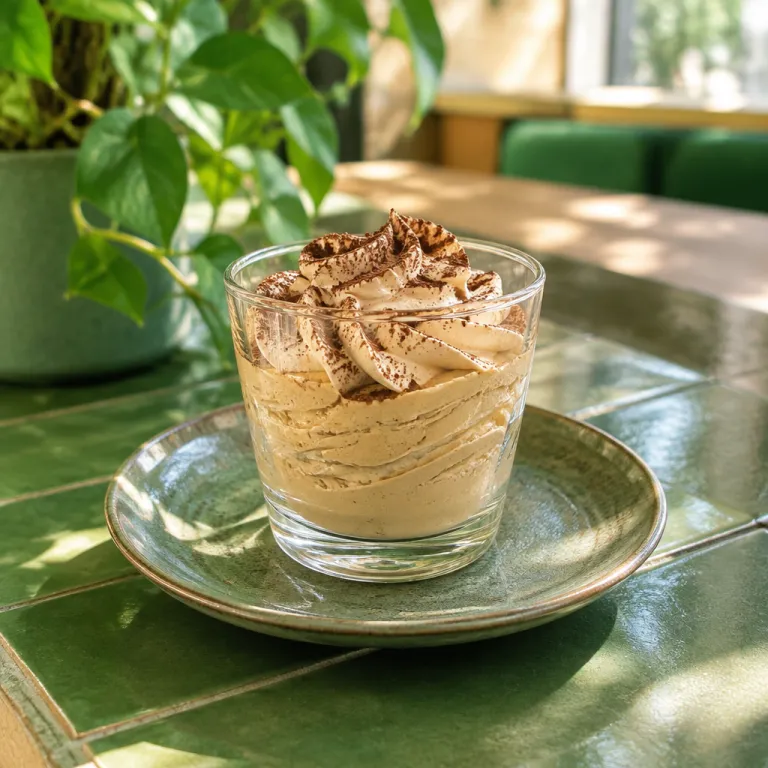
How Viennese creams elevate the luxury youth hostel experience
Viennese creams bring the elegance of a classic Viennese café into the relaxed world of luxury youth hostels. These layered pastries combine puff pastry, vanilla custard, and softly whipped cream to create a sweet contrast that feels indulgent after a day of urban exploration. When a hostel curates Viennese creams thoughtfully, the dessert becomes a quiet signal that you are staying somewhere that respects both tradition and comfort.
Austrian pastry chefs act as creators and preservers of these recipes, and many premium hostels in Vienna now collaborate with nearby pâtisseries to serve authentic versions. Wombat’s City Hostel Vienna, for example, has worked with local bakeries near Naschmarkt to showcase regional cakes on its breakfast buffet, while boutique properties close to Café Central and Demel highlight the cultural story behind each recipe. The most refined hostels explain how the cream, milk, sugar, and butter echo the heritage of the former Austro-Hungarian world, which matters to travelers who want more than a quick cookie or generic frosting; they want a sense of place in every bite.
In practice, a well run hostel café might present a single cream Viennese slice on a porcelain plate, with a small cup of strong coffee and a glass of cold milk. The custard filling should feel delicate and buttery rather than heavy, and the whipped cream layer must hold its shape without tasting overly sweet. When Viennese creams are handled with this level of care, they rival desserts in many high end city restaurants while remaining accessible to younger guests. (Alt text suggestion for photos: “Viennese cream slice on a white plate beside a cup of coffee in a hostel café.”)
From hostel kitchen to café style plate: how Viennese creams are crafted
Behind the scenes, the craft of Viennese creams in a hostel setting depends on disciplined baking routines. Puff pastry sheets are usually prepared or sourced in advance, then baked for around 15 to 20 min at about 200°C (400°F) until they rise, turn golden, and cool completely on a rack before assembly. Only once the pastry layers cool completely can the team safely add the custard filling and whipped cream without losing structure.
In a well equipped hostel kitchen, the pastry team uses an electric mixer or a compact bowl-and-whisk set up to whip 240 ml (1 cup) of cold heavy cream with 25 to 30 g (about 3 tbsp) powdered confectioners sugar and a touch of vanilla extract. For the custard base, they typically heat 500 ml (2 cups) whole milk with 100 g (1/2 cup) sugar, then whisk in 40 g (about 1/3 cup) cornstarch or, in some recipes, 30 g (1/4 cup) all-purpose flour to achieve the right thickness without clumping. A pinch of salt, roughly 1/4 tsp, helps balance the sugar, while room temperature butter blends smoothly into the mixture and prevents a greasy mouthfeel.
Some hostels go further and host evening baking workshops where guests learn a simplified recipe for Viennese whirls or cookies inspired by Viennese creams. These sessions often show how to pipe a delicate buttery cookie dough from a piping bag, then sandwich the cookie halves with raspberry jam and a light frosting that echoes the cream Viennese profile. For a deeper look at how shared cooking shapes hostel culture, guides such as how shared hostel kitchens create travel stories illustrate why these culinary rituals stay in travelers’ memories long after check out. (Alt text suggestion for photos: “Guests piping Viennese whirl cookies in a hostel baking workshop.”)
Choosing a premium hostel where Viennese creams truly shine
Not every luxury oriented hostel treats Viennese creams with the same respect, so your booking choices matter. When you browse a premium booking website, look for photos that show real slices with defined layers of cream, milk based custard, and crisp pastry rather than generic cookies on a tray. Descriptions that mention collaboration with Austrian pastry chefs or nearby Viennese cafés usually indicate a higher standard.
Pay attention to how the hostel describes its breakfast and café menus, because serious properties list specific recipes rather than vague “sweet options”. A strong listing might explain that Viennese creams are prepared daily, that the filling uses fresh whipped cream and not shelf stable frosting, and that the dessert is served within a limited time window so the pastry does not soften. This level of detail shows the hostel understands that Viennese creams are more than a random cookie; they are a cultural symbol.
Travelers who care about value can still enjoy this indulgence by targeting properties that position themselves as affordable luxury. Resources such as guides to cheap luxury hostels worldwide help you filter for places that balance price with thoughtful culinary touches. When a hostel invests in Viennese creams, Viennese whirls, and other delicate buttery pastries, it usually signals similar care in linens, shared spaces, and service.
Inside the recipe: textures, fillings, and Viennese whirl variations
At the heart of Viennese creams lies a carefully structured recipe that balances texture and flavor. The base custard combines milk, sugar, and sometimes a softened tablespoon of butter with measured spoonfuls of all-purpose flour or cornstarch, cooked slowly until thick enough to coat a spoon. Once cooled to room temperature, this custard is layered with whipped cream that has been beaten in a bowl electric mixer with 25 to 30 g powdered confectioners sugar and vanilla extract until it forms soft peaks.
Some hostels reinterpret the classic by serving Viennese whirls alongside the traditional slice, creating a tasting plate. These whirls start with a delicate buttery dough, where you cream 175 g (3/4 cup) butter and 60 g (1/4 cup plus 1 tbsp) sugar, add 175 g (about 1 1/3 cups) all-purpose flour gradually, and include a pinch of salt or 1/4 tsp salt to keep the cookie from tasting flat. The dough is then transferred to a piping bag, and staff pipe rosettes onto trays, bake for around 12 to 15 min at 180°C (350°F), then let them cool completely on a rack before sandwiching with raspberry jam and a light cream Viennese style filling.
Guests often appreciate when the hostel shares printed recipes or QR codes linking to detailed baking instructions, so they can recreate the cookie or cookie based desserts at home. When a property explains why you should pipe the dough rather than roll it, or why the filling must rest at room temperature for a few min before assembly, it shows genuine expertise. This transparency mirrors how serious cafés in Vienna talk about their Viennese creams, turning a simple dessert into a small masterclass in Central European pastry culture.
Pairing Viennese creams with hostel life: from late check in to slow mornings
Luxury youth hostels that understand rhythm of travel use Viennese creams to anchor key moments in a guest’s day. After a late check in, a small plate with a half portion of cream Viennese slice and a cup of herbal tea can feel more welcoming than any scripted greeting. The contrast between crisp pastry and soft filling helps guests unwind, especially when they have spent hours on trains or buses.
Morning service offers another opportunity to integrate Viennese creams without overwhelming the palate. Some hostels present a mini version beside savory options, allowing guests to enjoy a sweet accent without committing to a full dessert at breakfast. Others reserve Viennese whirls and cookies for an afternoon coffee hour, where travelers gather in the lounge, share stories, and reach for a second cookie while staff quietly refill milk jugs and sugar bowls.
Hostels that manage food service professionally also communicate clearly about ingredients, timing, and storage. They explain that Viennese creams are best eaten within two days refrigerated, and that pastries are rotated so that each slice you receive has had time to cool completely and set. This kind of operational detail, often outlined alongside the property’s privacy policy and house rules, builds trust and reassures guests with dietary concerns.
Safety, hygiene, and transparency when serving Viennese creams
For a dessert as rich as Viennese creams, hygiene and food safety are non negotiable in any luxury hostel. Serious operators train their team to monitor fridge temperatures, track how long each tray has been out of cold storage, and discard any slice that has sat too long at room temperature. They also separate baking areas from general guest traffic, so that cookies, frosting bowls, and piping bag tools stay protected from contamination.
When evaluating a hostel online, look for signs of this professionalism in both photos and written policies. Clear references to allergen information, explanations of how milk, butter, flour, and eggs are handled, and visible cleaning routines in shared kitchens all indicate a mature approach. For a deeper checklist of what experienced travelers verify before booking, resources on hostel safety standards and national food-safety guidance can guide you toward properties that treat both beds and baking with equal seriousness.
Transparency extends beyond the kitchen into digital practices as well. A well written privacy policy on the booking website shows that the hostel respects how your data are collected and stored, just as a clear menu shows respect for what goes into your Viennese creams. When a property is open about both, you can relax in the lounge with your cookie, your cup of coffee, and your slice of cream Viennese, confident that the team values your safety and comfort.
Where Viennese creams fit in the wider Viennese café tradition
Viennese creams served in youth hostels draw directly from the café culture that made Vienna famous. In traditional coffeehouses such as Café Sacher, Café Sperl, and Café Landtmann, guests linger over layered slices of Cremeschnitte, which is a Viennese cream slice dessert of two puff pastry sheets sandwiching custard and whipped cream. By echoing this format, hostels give younger travelers access to a culinary ritual that once belonged mainly to grand cafés and formal dining rooms.
The classic method involves baking two pastry sheets, preparing a vanilla custard with milk, sugar, and either cornstarch or all-purpose flour, then topping the set custard with a generous layer of whipped cream. Once assembled, the dessert must chill and cool completely before slicing, so that each piece holds its shape when served on a small plate beside a cup of strong coffee. Some modern interpretations lighten the filling with extra whipped cream, while others add a thin layer of raspberry jam between the custard and cream to cut through the richness.
Luxury hostels that respect this heritage often rotate several recipes through the week, alternating between traditional Viennese creams, cookie based Viennese whirls, and other delicate buttery pastries. They may host tasting evenings where guests compare different fillings, from classic vanilla extract custard to chocolate variations, discussing which textures pair best with specific coffees or sweet wines. In doing so, these properties transform a simple dessert into a bridge between backpacker budgets and the refined pleasures of Central European café life.
Key figures about Viennese creams in hostel settings
- Traditional Cremeschnitte, a core form of Viennese creams, typically features 2 distinct layers of custard and cream between puff pastry, which helps hostel chefs portion slices consistently for large groups of guests.
- Viennese cream slices generally keep their best texture for about 2 days under refrigeration before the pastry softens, so hostels that bake smaller daily batches can maintain higher quality for breakfast and café service.
- Workshops that teach guests to pipe Viennese whirls or assemble cream slices usually last between 60 and 90 min, a duration that fits comfortably between afternoon check in waves and evening social events in most hostels.
- Premium hostels that partner with nearby pastry shops often limit Viennese cream deliveries to once per day, which reduces waste and encourages guests to try the dessert during a specific service window.
FAQ about Viennese creams in luxury youth hostels
What exactly are Viennese creams in a hostel context ?
In a hostel context, Viennese creams usually refer to layered custard and cream pastries inspired by Viennese café traditions, often similar to Cremeschnitte. They combine puff pastry with a thick vanilla custard and a layer of whipped cream, sometimes finished with confectioners sugar on top. Premium hostels may also serve Viennese whirls and cookies that echo the same delicate buttery flavors.
How long do Viennese creams stay fresh when served in hostels ?
Viennese creams keep their best texture for about two days when refrigerated, after which the puff pastry tends to soften. Responsible hostels plan baking and deliveries so that most slices are eaten within this window. If you are unsure, you can ask staff when the current batch was prepared and how it has been stored.
Can guests with dietary restrictions safely enjoy Viennese creams ?
Many traditional recipes for Viennese creams contain butter, milk, flour, and eggs, so they are not naturally suitable for all diets. Some luxury hostels, however, now offer alternative recipes with plant based milk or gluten free all-purpose flour, clearly labeled on menus. Always check allergen information and, if needed, speak directly with staff about ingredients and preparation areas.
Are Viennese creams included in the room rate at premium hostels ?
In some properties, a small portion of Viennese creams is included in a premium breakfast or afternoon tea package, while in others it is sold à la carte in the café. Booking websites usually indicate whether breakfast is included and may highlight signature desserts in the description. If Viennese creams are important to you, look for listings that mention them explicitly or show them in recent photos.
Do hostels ever teach guests how to bake Viennese creams ?
Yes, a growing number of luxury oriented hostels organize baking workshops where guests learn simplified recipes for Viennese creams or Viennese whirls. These sessions often cover how to pipe cookie dough, prepare custard filling, and use an electric mixer safely in a shared kitchen. Such activities turn the hostel kitchen into a social hub and give travelers practical skills to recreate the flavors at home.