Why hostel noise design is now a luxury decision
Hostel noise design and dorm soundproofing strategy have quietly become the new luxury filter for business leisure travelers choosing where to sleep. When typical hostel noise levels sit around 55–60 dB in many city centers, the difference between a focused executive and a wrecked one is often how seriously a property treats sound waves as part of its architectural design rather than as a late night rules problem. For anyone extending a work trip, the hostel you remember fondly is usually the one where the ambient energy in common areas never leaked through the wall into your room.
Design led hostels now borrow from student housing and university residence playbooks, treating every dorm as a micro study suite rather than a chaotic crash pad. Acoustic engineers work alongside hostel designers to map how sound travels through the building, from the bar to the stairwell to the quiet dorms, then specify acoustic solutions, mineral wool insulation and dense rockwool cores to reduce noise before it reaches your bunk. The best hostel environments feel alive in the lobby yet calm in the dorm, using white noise in corridors, high density doors and carefully placed acoustic panels to turn potential noise into a soft background hush.
For a premium booking platform, this shift changes how properties are evaluated and presented to guests who care about both safety and sleep. Instead of listing only Wi Fi and rooftop views, the most forward thinking sites now highlight soundproofing dorm details such as fire rated rockwool panels behind the wall, sandwich panels with a wool core in roofing structures and solid partitions between pods. When you see a quiet dorm priced 10 to 20 percent higher than a standard room, you are often paying for invisible layers of rockwool, mineral wool and smart mount roofing systems that protect you from noise and smoke drifting up from common areas as much as from actual fire.
Inside the soundproofed dorm: how design choices shape your night
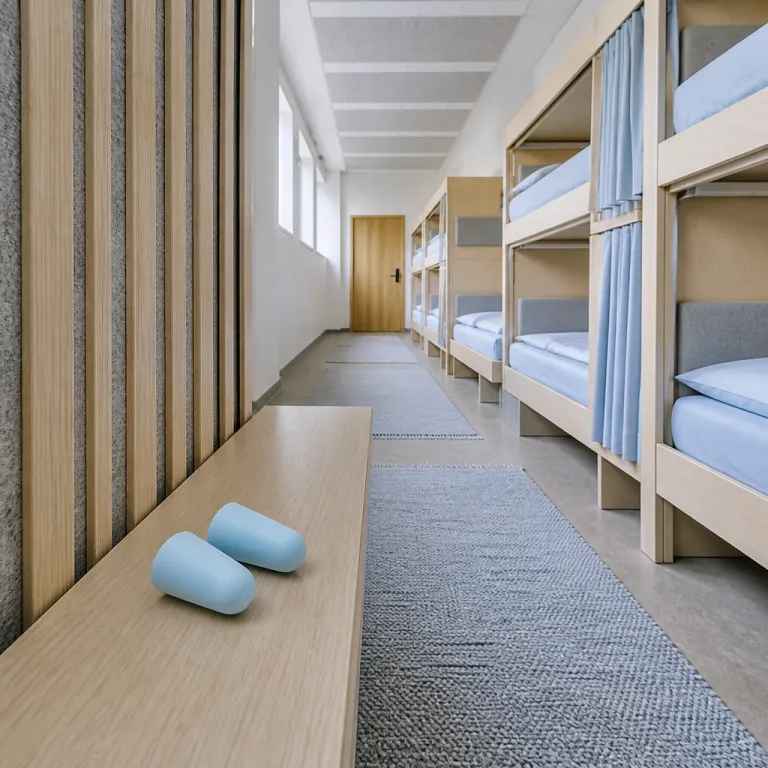
Walk into a well designed soundproofing dorm and you can usually feel the difference before you hear it. The door closes with a soft, heavy thud, the corridor carpet absorbs footsteps and the room layout keeps the table and lockers away from the thin wall that faces the stairwell. This is hostel acoustic design thinking in action, where every surface is treated as either a potential noise source or a chance to reduce noise.
Premium hostels increasingly treat each bunk like a capsule, borrowing from Japanese pod concepts to eliminate late night conflicts over light and sound. Individual reading lamps, personal ventilation and power sockets mean one student can work on a laptop while other students sleep, without flooding the room with glare or fan noise. When you compare pod, capsule and classic bunk options, guides such as how to choose a hostel dorm help you read between the lines of marketing language and focus on real acoustic performance.
Behind the scenes, serious hostel environments use layered materials to tame sound waves before they become a problem. High density rockwool panels are mounted inside walls and ceilings, sometimes combined with sandwich panels that have a mineral wool core to improve fire resistance and acoustic absorption at the same time. In some premium properties, acoustic elements double as décor, turning the hostel environment into a kind of informal design lab where you can literally see how the building is working to keep your sleep intact.
The quiet dorm premium: what you really pay for
On a luxury leaning booking site, the quietest dorms often sell out first, even when they cost more than standard options. That price difference rarely comes from nicer bedding alone; it reflects the cost of better architectural design, higher density materials and more thoughtful zoning between social and sleeping areas. For a business leisure traveler who has a morning meeting, that extra amount is not a splurge but a form of travel insurance.
Look closely at descriptions and you will see clues about how hostel noise design upgrades are justified. A room located away from common areas, with a solid wall between it and the bar, will usually outperform a dorm that sits directly above the lobby, no matter how many rules the hostel posts about quiet hours. When you weigh a private room against a premium dorm, breakdowns such as the analysis in the real cost comparison between private rooms and dorms show that a well engineered dorm can deliver similar sleep quality at a fraction of the price.
Material choices are the other half of the quiet dorm premium, and they are rarely visible in photos. Fire rated rockwool panels inside partitions, mineral wool in roofing structures and carefully sealed mount roofing joints all help reduce noise from rain, traffic and rooftop bars. When these elements are combined with smart use of white noise machines, high density doors and strategically placed acoustic features in corridors, the result is a hostel environment where you can still feel the city but do not have to sleep inside its soundtrack.
From campus to capsule: lessons from student housing and universities
Some of the smartest hostel noise design and dorm soundproofing ideas come straight from university campuses and modern student housing projects. Architects who have spent years studying how noise affects concentration in libraries and dormitories now apply the same logic to hostels that host a mix of digital nomads, students and business travelers. In research partnerships between hostels, universities and health organizations, methods such as surveys, sound measurements and sleep studies are used to track how design changes affect real guests.
One published study on student residences found that reducing nighttime corridor noise from around 60 dB to the low 40s cut reported sleep disturbance by roughly one third (for example, see Basner et al., Sleep Medicine Reviews, 2014, for a review of environmental noise and sleep), a pattern echoed in hostel pilot projects that monitor decibel levels and guest feedback. The same projects use decibel meters, sleep trackers and questionnaires to understand why around 40 percent of guests report sleep disturbance when average hostel noise levels hover near 55–60 dB, a range the World Health Organization’s Night Noise Guidelines for Europe (WHO Regional Office for Europe, 2009) notes can fragment sleep over time. The findings are already influencing how new building projects are specified, from the choice of mineral wool and dense rockwool in walls to the way common areas are separated from sleeping zones.
For you as a guest, this academic work translates into practical booking choices. Properties that mention collaboration with a university, or that reference student housing standards, often have better acoustic separation between study spaces, common areas and dorms. When you see details such as rockwool panels behind the headboards, wool core sandwich panels in corridor ceilings and fire resistance ratings that exceed basic safety codes, you are looking at a hostel environment shaped by the same evidence based thinking that keeps campus residences calm enough for exams.
Reading between the lines: how to book for better sleep
Choosing a hostel that sounds good on paper is one thing; choosing a hostel that sounds good at 02:00 is another. Start by treating hostel acoustic design and dorm soundproofing information as seriously as Wi Fi speed or location, especially if you are mixing meetings with sightseeing. The most reliable booking platforms now highlight noise policies, quiet zones and acoustic features alongside the usual lists of amenities.
When you scan descriptions, look for specific language about acoustic panels, mineral wool insulation, high density doors and separation between common areas and sleeping floors. Phrases such as “soundproofed dorm”, “quiet floor”, “solid core doors” and “rockwool insulated walls” signal that the building has been designed to reduce noise rather than simply asking guests to whisper. If a property mentions white noise machines, fire rated materials and enhanced fire resistance, that usually indicates a more serious approach to both safety and sleep quality.
To make this easier, turn each listing into a quick checklist: Is the dorm on a higher floor and away from the bar or kitchen? Does the description mention any form of sound insulation or acoustic treatment? Are there quiet hours that are actually enforced, according to recent reviews? When you combine those practical filters with simple habits such as choosing upper floor rooms, avoiding dorms directly above bars and packing earplugs as a backup, you give yourself the best chance of waking up rested, ready for both the boardroom and the backstreet café.
Materials, safety and the invisible architecture of quiet
Behind every calm dorm is a stack of technical decisions that most guests never see. Hostel designers and acoustic engineers work together to choose materials that manage sound waves, improve fire safety and create a healthier hostel environment. The goal is not silence but a controlled background hum where you can sleep, study or talk without competing with the building itself.
In modern hostel environments, high density mineral wool and dense rockwool are often used inside walls, ceilings and even under flooring to absorb noise between rooms. Rockwool panels with a wool core can be integrated into sandwich panels for roofing structures, combining fire resistance, thermal performance and acoustic control in a single element. When these systems are properly mounted, with careful attention to mount roofing details and sealed joints, they help reduce noise from traffic, rain and rooftop social spaces before it reaches your pillow.
Safety is the parallel priority, especially in shared spaces where students, solo travelers and business guests mix. Fire rated materials, clear escape routes and smart compartmentalization ensure that heat, smoke and noise do not travel freely through the building. In the best examples, acoustic features double as wayfinding and décor, turning common areas into visually warm yet acoustically calm spaces where you can sit at a table with a laptop, talk at a normal volume and still feel that the room, the wall and the wider environment are working quietly in your favor.
FAQ
How does noise affect sleep in a hostel dorm ?
Noise in a hostel dorm disrupts sleep cycles by repeatedly pulling you out of deep and REM stages, which leaves you feeling unrefreshed even after a full night in bed. Sudden sound waves from doors, late arrivals or common areas are more damaging than a steady background hum. This is why properties that use acoustic panels, mineral wool and high density doors often report better guest satisfaction around rest.
Can hostel design really reduce noise enough for light sleepers ?
Hostel design can significantly reduce noise when it treats sound as an architectural problem rather than relying only on guest behavior. By separating common areas from sleeping floors, adding rockwool panels inside walls and using sandwich panels with a wool core in roofing structures, operators can cut perceived noise levels dramatically. Many light sleepers find that a well engineered soundproofing dorm rivals a mid range hotel room for rest.
Are private rooms always quieter than dorms ?
Private rooms are generally quieter because you control who shares the space and how they behave. However, a poorly insulated private room next to a bar can be louder than a carefully designed quiet dorm located on a higher floor with mineral wool in the walls and solid core doors. When booking, prioritize information about hostel acoustic design and dorm soundproofing features over the simple label of “private” or “shared”.
What should I look for in a listing if I care about sleep ?
If sleep matters, look for mentions of soundproofed dorms, quiet floors, acoustic panels and separation between common areas and sleeping zones. Details such as fire rated rockwool, mineral wool insulation, high density doors and white noise machines all indicate a more serious approach to acoustic comfort. Guest reviews that praise calm nights and minimal corridor noise are often the most reliable signal.
Who is working on improving hostel noise standards globally ?
Hostel designers, acoustic engineers and health researchers increasingly collaborate with universities, hostel associations and public health organizations to study noise and sleep in shared accommodation. Their work uses surveys, decibel meters and sleep trackers to test how different materials and layouts affect rest. As these findings spread through the industry, more premium hostels adopt student housing style standards for both safety and acoustic performance.