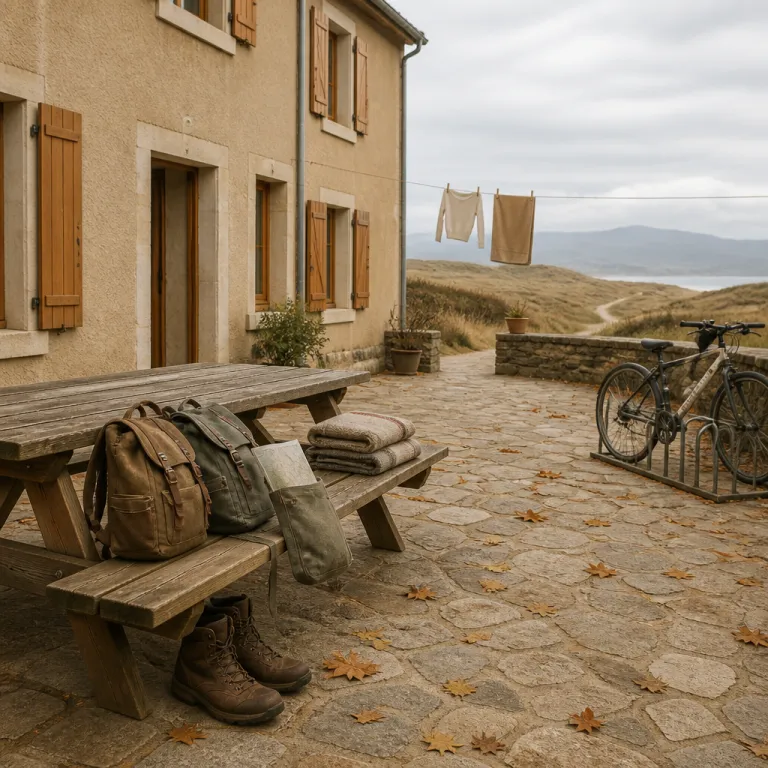
Why september shoulder season hostel travel beats the summer rush
September is the quiet revolution in hostel season travel, the moment when the chaos of peak season finally exhales. You still feel the warmth of late summer on your skin, yet prices, crowds, and the general tempo shift into a calmer gear that makes every trip feel more intentional. For a solo explorer choosing a luxury or premium youth hostel, this is the best time to trade summer crowds for curated conversations and a better class of bunkmate.
Across Europe and many long haul destinations, hostel rates typically fall between 20 and 35 percent once the calendar moves into september, while the experience inside the property often improves as the high season frenzy fades. This fall shoulder window sits neatly between the last summer parties and the first low season closures, giving you a sweet spot where staff have time to talk, common rooms breathe, and the rooftop feels like your private club. Hostel owners lean into this shoulder season by using dynamic pricing and targeted offers, which means a premium dorm or private room that felt out of reach in peak season suddenly becomes a realistic upgrade.
The weather helps seal the deal for september shoulder season hostel travel, especially around the Mediterranean where average temperatures in Barcelona, Lisbon, and Athens still hover in the mid twenties. You get the light of summer without the oppressive heat of july or the restless energy of early spring, and that balance makes long walking days and late terrace nights equally comfortable. For travelers who care about both comfort and cost, this season shoulder period between late september and early october is the perfect compromise between indulgence and restraint.
Weather, prices, and the art of timing your hostel trip
Think of the calendar as a set of overlapping seasons rather than a simple switch between summer and winter, because the smartest hostel travel happens in the shoulder months that sit between them. In Europe and parts of Asia, september october and even october november behave like a second, softer summer season, with warm weather, fewer crowds, and a more relaxed rhythm in the streets and dorms. For a premium hostel guest, that means more space at breakfast, quieter nights in shared rooms, and staff who remember your name by the second day of your stay.
Data from major booking platforms shows that accommodation prices in shoulder seasons often drop around 20 percent compared with peak season, and that aligns with the broader trend of travelers chasing better value outside the classic high season window. When you combine that with airline data showing shoulder season airfares falling roughly 25 to 40 percent from peak summer, the total trip cost for travel september can undercut august by hundreds of euros on a multi stop itinerary. This is where september shoulder season hostel travel becomes less of a hack and more of a long term strategy for people who want to travel often without compromising on quality.
The character of the guest mix also changes as the months roll from summer into fall, and that shift is one of the best kept secrets of fall shoulder hostelling. September and the stretch into september november tend to attract long term travelers, digital nomads, and repeat guests who deliberately avoid summer crowds, which transforms the common room into a more thoughtful, less chaotic space. If you are planning a refined hostel circuit through Southeast Asia, pairing this timing logic with guidance from resources such as the detailed analysis in this off season Southeast Asia hostel guide can help you map out a year where every season travel decision feels intentional rather than reactive.
Hidden gem destinations that shine in the fall shoulder season
Once you accept that september is the best time for hostel travel, the map itself starts to look different, with certain destinations suddenly rising from the background. Coastal cities that felt unbearable in high season, from Dubrovnik to Santorini, become liveable again in late september when the cruise ships thin out and the narrow streets reclaim their echo. Inland, national parks across Europe and North America enter a golden phase in early october, when the weather stays kind, the trails clear, and premium hostels near trailheads feel more like lodges than simple crash pads.
For a luxury leaning backpacker, the real magic of september shoulder season hostel travel lies in these less obvious choices, the places that are too hot in peak summer and too quiet in deep low season. Think of Lisbon’s hilltop neighbourhoods, where the summer crowds finally ebb, or the smaller Greek islands where shoulder season brings back the sound of local life to the harbour cafés. In northern latitudes, refined hostels in Iceland or Scandinavia become compelling in october november, when the first hints of winter arrive but the worst of the cold is still weeks away, and guides such as this curated overview of where to stay in Iceland for a refined hostel experience can help you choose properties that match your standards.
Asia has its own rhythm of shoulder seasons, with some regions entering their best time precisely when Europe is winding down from summer. Japan’s cities, for example, feel particularly elegant in fall, and premium hostels in Kyoto or Osaka often report a more mature, design conscious crowd in september october compared with the festival heavy spring. If you are building a multi continent itinerary that follows the most comfortable seasons rather than school holidays, plotting your route around these shoulder months can turn a single trip into a year long sequence of sweet spot stays.
How to book premium hostels smartly in september’s sweet spot
Booking strategy matters more in september shoulder season hostel travel than in almost any other period, because the balance between demand and availability is unusually delicate. Hostel owners keep most properties open through this shoulder season, but they use dynamic pricing to reward early planners and penalise last minute gamblers on popular weekends. If you want the perfect mix of rate and room type, aim to reserve your premium dorm or private room four to six weeks before your intended travel time, especially in cities that still feel the echo of peak season.
Luxury and premium hostels increasingly treat september as a showcase month, curating events, tastings, and small group experiences that would be impossible during the crush of high season. This is when you see rooftop film nights in Lisbon, guided sunrise hikes from hostels near national parks, and chef led communal dinners in cities like Berlin or Prague, all designed for smaller, more engaged crowds. To make the most of this, use online booking platforms with strong filtering tools, cross check reviews for mentions of fall shoulder programming, and remember the dataset’s clear guidance that “The period between peak and off-peak travel times, offering moderate prices and fewer crowds.” and “Lower prices, fewer tourists, and pleasant weather make it favorable.” and “Yes, most hostels remain open and may offer discounts.”
For longer itineraries, consider structuring your route so that you hit each region in its own version of shoulder seasons, moving from european september to asian october november and then into southern hemisphere spring. Resources such as the in depth guide to refined hostels in Kyoto can help you identify properties that treat the shoulder months as an opportunity to slow down and elevate service. Over time, this approach turns season travel into a craft, where you chase not just good weather but the quieter, more generous side of the hostel world.
FAQ
What exactly is the shoulder season for hostels ?
The shoulder season for hostels is the period between the busy peak season and the quieter low season, when prices moderate and crowds thin. In many european destinations, this runs through september and into early october, with a second shoulder sometimes appearing in late spring. For most travelers, these shoulder seasons offer the best balance between cost, comfort, and overall trip quality.
Why is september such a good month for hostel travel ?
September combines lingering summer weather with a noticeable drop in visitor numbers, which makes city streets, national parks, and hostel common rooms feel calmer. Accommodation prices often fall by around 20 percent compared with peak summer, while flight costs also ease, so the total trip budget stretches further. At the same time, the guest mix shifts toward long term travelers and digital nomads, which usually leads to more interesting conversations and a more respectful dorm culture.
Are most hostels open and fully staffed in the fall shoulder months ?
Yes, most hostels remain open through the fall shoulder period, especially in major cities and popular coastal areas. Some seasonal properties in smaller beach towns may reduce capacity after october, but september itself is usually treated as an extension of summer. Staff levels typically remain strong, and with fewer crowds they often have more time to offer personalised recommendations and assistance.
How far in advance should I book a premium hostel for september ?
For high demand destinations such as Barcelona, Lisbon, or Athens, booking four to six weeks ahead is a sensible target for september stays. This timing usually secures the room type you want, whether that is a quieter premium dorm or a private room, while still benefiting from shoulder season pricing. In less visited cities, two to three weeks may be enough, but last minute bookings can still be risky around major events or public holidays.
Which types of destinations benefit most from september shoulder season hostel travel ?
Coastal cities that suffer from intense summer crowds, such as Dubrovnik or Split, gain the most from the calmer rhythm of september. Urban cultural hubs like Berlin, Prague, and Kyoto also shine in this period, as museums, cafés, and neighbourhoods feel more accessible without losing their energy. Finally, areas near national parks or hiking regions become especially appealing in early fall, when temperatures are comfortable and the trails are far less congested.