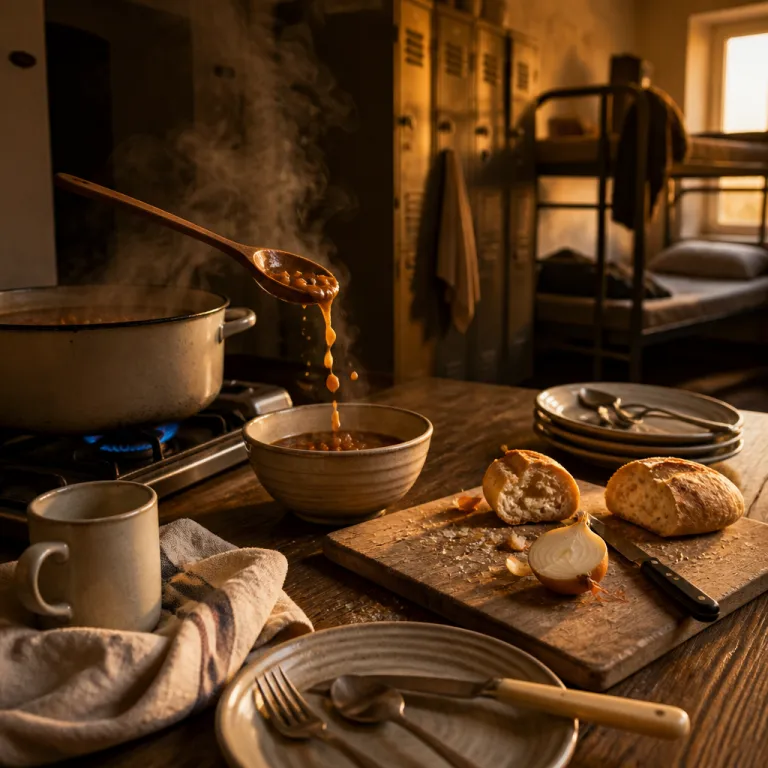
Why the hostel kitchen matters more than the lounge
The real luxury in any hostel is the conversation that stretches long after the pans are dry. In a well designed hostel kitchen, the mix of steam, spices and shared playlists turns simple cooking into a communal ritual that most common areas never quite manage. For many travelers, this is where a routine stay becomes a personal story worth retelling.
Across premium hostels worldwide, internal design guidelines and operator surveys suggest that the average shared kitchen now occupies around 20 square meters, which is just enough room for strangers to bump elbows and then connect over recipes simmering on the stove. That scale matters, because a compact communal kitchen keeps people close, encourages eye contact and makes it natural to share meals rather than retreat to a room with takeaway. This figure is drawn from aggregated floor plan data shared in the 2023 Hostel Management Survey and cross checked against sample listings from brands such as Generator and Selina.
Think of the contrast with a typical lounge or other common areas, where guests sit side by side, scrolling social media and barely trading a word. In the kitchen, you have a reason to talk, whether you are asking for salt, offering tips on cooking pasta or negotiating space on the stove during peak time. The best hostels provide free basic ingredients, sharp knives and long tables so that solo travelers and small groups can share stories while they chop, stir and plate their food.
From shared pots to curated events: how hostels orchestrate social cooking
Luxury leaning hostels have started treating the communal kitchen as a stage, programming it with events that turn casual cooking into structured social time. Many organize weekly cooking nights where staff lead a simple menu, guests bring personal ingredients and everyone sits down for dining at one long table. These shared meals are no longer just a way to save money on restaurants; they are positioned as a highlight of the journey.
Some premium properties now collaborate with local vendors, inviting them into spaces guests already love to host short workshops on regional food traditions. In these sessions, travelers learn how to prepare one emblematic dish, then share meals with the chef and hostel staff while trading travel tips about the city. At coastal escapes such as premium stays in Maui, the format often includes fresh market visits followed by a sunset cooking class back in the communal kitchen.
These events work because they respect the informal DNA of hostel life while adding just enough structure to help shy solo travelers join in. A frequently cited example in Hostelworld trend analyses is the “family dinner” format at properties like KEX Hostel in Reykjavík, where guests sign up for a set menu, cook in small teams and then eat together. As one global survey on shared meals from Hostelworld trend analyses puts it with disarming clarity, "They foster connections and cultural exchange among travelers" (Hostelworld Social Travel Report, 2022).
Designing a kitchen where strangers actually talk
Not every hostel kitchen is created equal, and design quietly decides whether people linger or leave. The most successful layouts treat the space as a place to meet first and a production line second, with open counters, island cooktops and sightlines that keep travelers facing one another. When you book through a premium platform, pay attention to photos of common areas and especially the kitchen before you commit to a stay.
Look for long communal tables placed close to the stoves, so that conversation flows naturally from chopping board to plate and then to late night wine. Shelving should be clearly labeled yet shared, with visible baskets for free pantry items, because nothing starts a hostel experience faster than someone offering you oil or spices when your food is about to burn. High end hostels increasingly highlight these details in their listings, knowing that a generous kitchen can be more persuasive than an extra square meter in a private room.
Lighting and acoustics matter as much as appliances, especially for solo travelers who may feel exposed in harsh, echoing spaces designers sometimes overlook. Warm, indirect light and a soundtrack kept low enough for conversation turn the communal kitchen into a soft landing after a long day of travel. For more on how thoughtful design elevates budget friendly stays, the guide to affordable luxury hostels worldwide offers useful travel tips on what to look for before you book.
Zero waste, shared spices and the new ethics of the hostel kitchen
A growing number of hostels treat sustainability not as a marketing line but as a lived practice in the kitchen. Compost bins, clear recycling stations and chalkboard "leftover lists" in common areas signal that food is valued, not casually wasted, and that travelers are invited to share meals rather than abandon them. When hostels provide shared spice racks and basic dry goods, they help guests save money while also reducing the number of half used jars left behind in every room.
These zero waste gestures reshape the hostel communal kitchen social cooking travel dynamic in subtle ways. A labeled shelf of free ingredients becomes a place to meet fellow travelers, as someone reaches for the same jar and a conversation starts about where they have been and what they plan to cook next. Over time, regular communal cooking events anchored in sustainable practices can turn a simple night in the dorms into a small lesson in how global travel and local food systems intersect.
Etiquette underpins this culture, and the unwritten rules are simple but non negotiable if you want a positive hostel experience. You label your food clearly, you clean the kitchen thoroughly after cooking and you stay open to invitations to share stories over whatever is on the stove. As one concise guide to etiquette from the Global Hostel Report reminds guests, "Clean after use, label food, and share respectfully" (Global Hostel Report, 2023).
The hostel dinner table as the great equalizer
By midnight, the last pan is often still warm and the hostel dinner table has turned into a quiet parliament of the road. Here, CEOs and students share the same cutting board, the same kitchen equipment and the same slightly dented plates, which strips away status and leaves only the shared experience of travel. In these moments, the value of a communal kitchen goes far beyond any free breakfast or welcome drink.
Stories flow more easily when hands are busy, which is why cooking in hostels tends to produce deeper conversations than bar heavy common areas. Someone offers tips on cooking rice on a temperamental stove, another guest shares travel tips for the next border crossing and a third quietly washes dishes because that is how they prefer to contribute. The result is a web of small kindnesses that makes staying in a hostel feel less like renting a bed and more like joining a temporary household.
For solo travelers especially, the hostel kitchen after midnight can be the safest and most authentic place to meet people on the road. You might arrive planning to skip the organized social program, then find yourself invited to share a late plate of pasta and a bottle of wine. Articles such as this guide to premium hostel life in Brussels show how a well run hostel can turn its kitchen into the emotional center of the property, where social media handles are swapped only after real conversations have already done their work.
FAQ
How do shared meals enhance travel experiences in hostels ?
Shared meals enhance travel because they turn routine cooking into a social ritual that crosses languages and budgets. When travelers cook together in a communal kitchen, they exchange recipes, compare journeys and often plan the next day’s exploration as a group. This mix of food, conversation and mutual help creates memories that outlast the specifics of any single stay.
What basic etiquette should I follow in a hostel kitchen ?
Good etiquette starts with labeling your food clearly and respecting other people’s space on the shelves and in the fridge. You should always clean the kitchen thoroughly after cooking, from pans to counters, so the next person finds a usable space. Being open to sharing meals or at least sharing stories while you cook helps maintain the welcoming atmosphere that defines a strong hostel experience.
Are hostel kitchens usually well equipped for serious cooking ?
Most hostels provide a solid baseline of equipment, including hobs, fridges, common utensils and enough pots and pans for simple meals. Premium and luxury focused properties often go further, adding better knives, more burners and larger prep areas guests can use at the same time. If you plan ambitious cooking, check photos and reviews for specific mentions of the hostel kitchen before you book.
Can cooking in hostels really help me save money while traveling ?
Cooking for yourself in hostels can significantly reduce your food budget, especially in expensive cities where dining out every night adds up quickly. When hostels provide free staples such as oil, salt or pasta, the savings increase and you can redirect that budget to experiences rather than restaurant bills. The real gain, though, is that you save money while also gaining access to a social space where you can share tips and future plans.
How can solo travelers feel comfortable joining others in the kitchen ?
Solo travelers often find the kitchen less intimidating than a bar because there is always a practical reason to start talking, from asking about a spare burner to offering to chop vegetables. A simple question about someone’s dish or a compliment on their cooking usually opens the door to longer conversations and sometimes shared meals. If you respect the common rules and stay open to small interactions, the communal kitchen quickly becomes the easiest place to meet people during your journey.
Sources
Global Hostel Report (2023 edition), Hostel Management Survey 2023, Hostelworld Social Travel Report 2022 and related trend analyses on social spaces and shared meals.