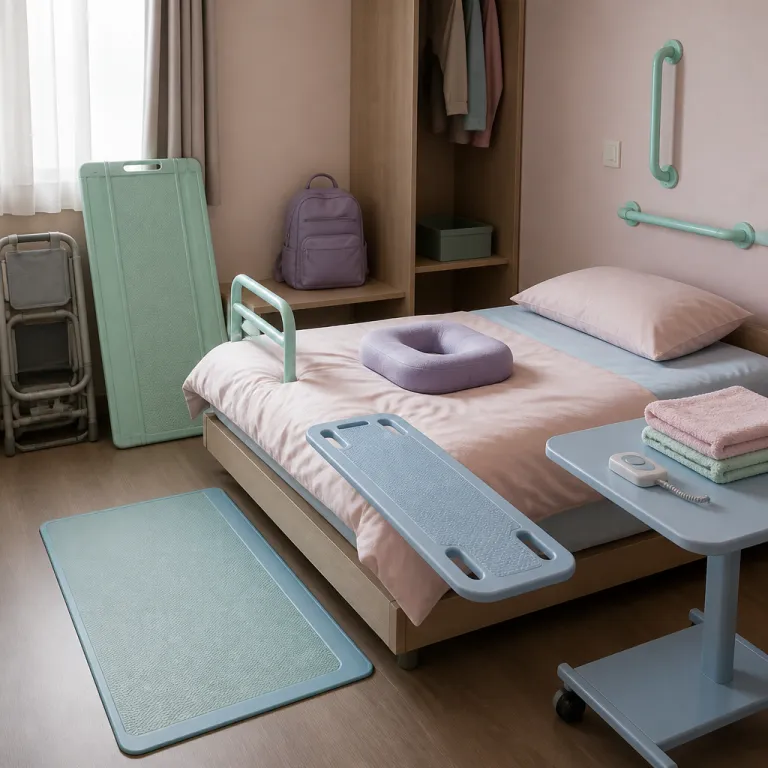
What wheelchair friendly really means in a modern hostel
Accessible hostel wheelchair friendly accommodation travel starts long before you reach the front desk. It begins with level access from the street, automatic doors, and clear signage that lets people using a wheelchair or other mobility aids move confidently into the hostel. In the best hostels, accessibility is treated as a design principle rather than an afterthought, shaping how rooms, corridors, and common areas are planned.
In a hostel context, accessible travel means more than a single ground floor room with a ramp. You are looking for ground floor dorms and private rooms, elevators that reach every floor, wide corridors that allow wheelchair users to turn easily, and roll in showers with grab bars and non slip flooring. When a property describes itself as a wheelchair accessible hostel, ask whether accessible rooms are close to reception, the kitchen, and the lounge, because long internal distances can be as limiting as a staircase.
Families planning accessible holidays quickly learn that accessibility features must extend beyond the bedroom. A truly accessible hostel will offer wheelchair friendly access to the breakfast area, terrace, and laundry, with tables and counters at usable heights for disabled travelers. When you read a listing, look for precise language about accessible rooms, roll showers, and level access rather than vague promises about being “good for all travelers”.
How to read booking platforms and filter for real accessibility
Most booking platforms now offer filters for accessible hotels, accessible hostels, and wheelchair accessible stays. These icons can be helpful for quick scanning, yet they rarely guarantee that a specific room or hostel layout will match the needs of wheelchair users or travelers with other disabilities. Treat the filters as a first pass, then read the detailed room descriptions and accessibility notes with the same care you would give to a selling trip for a once in a lifetime city break.
When you search for accessible hostel wheelchair friendly accommodation travel, start by selecting filters for elevators, accessible rooms, and roll in showers. Next, open the map view to check how the hostel connects to the city around it, including step free public transport stops and curb cuts that make independent access realistic for disabled travelers. For families, this is as important as the dorm price, because a hostel can be technically accessible yet feel isolating if the surrounding streets are hostile to wheelchair friendly movement.
Do not stop at icons ; read guest reviews that mention accessibility features, especially from disabled travelers who describe the real width of doors, the slope of ramps, or whether grab bars are correctly positioned. When you are comparing premium hostels, use specialist guides such as a detailed travel guide to accessible travel and combine them with insider resources on premium stays, such as this overview of exclusive youth hostel deals and premium stays for young travelers. This layered approach helps you separate top selling marketing language from hostels accessible in practice, not just on paper.
Bridging the gap between listed features and on the ground reality
There is often a gap between what a hostel lists as accessibility features and what you find when you arrive. A property might advertise an accessible hotel style bathroom, yet the roll showers could have a lip at the entrance or no shower chair, making them unusable for many wheelchair users. The same hostel might offer an accessible room, but place it at the end of a narrow corridor cluttered with luggage, which undermines the promise of accessible travel.
Before you confirm any accessible hostel wheelchair friendly accommodation travel, send a concise email with specific questions. Ask for exact door widths in rooms and bathrooms, photos of the roll in showers and grab bars, and confirmation that there is level access from the street to reception, then to the room and common areas. Clarify whether the elevator reaches every floor, whether accessible rooms are available in both private and dorm formats, and whether staff are trained to assist disabled travelers during emergencies.
Families should also ask about bed configuration, because some premium hostels now offer accessible rooms with both a double bed and one or two lower bunks. That layout can work beautifully for parents traveling with a disabled child who uses a wheelchair, especially when the room is close to a quiet lounge or kids corner. For a sense of how thoughtful bedding can transform a stay, look at how some properties treat mattress quality as a competitive edge, as explored in this feature on the bed that makes the hostel.
Using hostel networks and real world examples as benchmarks
When you are comparing accessible hostels, large networks such as Hostelling International can serve as a benchmark. Many of their properties publish detailed information about accessible rooms, elevators, and bathrooms, which sets a useful standard for independent hostels that want to attract disabled travelers. If a smaller hostel claims to match those standards, ask them to explain how their accessibility features compare in terms of level access, roll showers, and common area design.
City specific examples help bring the criteria to life. In Berlin, for instance, several contemporary hostels near the central station combine private accessible rooms with wide corridors, step free entrances, and clear tactile signage, making the city feel genuinely open to wheelchair users. When you evaluate a hostel in Berlin or any other major city, look at how the property connects to accessible hotels, museums, and public spaces, because a single accessible hotel style room is not enough if the surrounding neighborhood is full of barriers.
Resort destinations tell a different story. In Costa Rica, some coastal hostels now sit alongside a resort spa or resort style complex, sharing ramps, pool lifts, and accessible pathways that make beach holidays more realistic for disabled travelers. These hybrid properties can offer the social energy of a hostel with the infrastructure of hotels accessible to wheelchair users, which is particularly attractive for families planning accessible holidays that mix adventure and rest, as shown in several premium comfort case studies such as this look at premium comfort at a youth hostel in San Francisco.
Evaluating hostel suitability for families with accessibility needs
Star ratings and guest scores rarely capture how a hostel feels for a family traveling with disabilities. You need to look beyond the headline rating and examine the layout of rooms, the flow between spaces, and the culture of the hostel team. A property can be technically accessible yet feel unwelcoming if staff treat accessibility requests as an inconvenience rather than a normal part of travel.
Start with the basics : check whether the hostel offers family friendly accessible rooms that sleep three or four people without forcing anyone into an upper bunk. Ask whether the accessible room is close to a quiet section of the hostel, because late night corridor noise can be exhausting for children and disabled travelers who need more rest. Confirm that there is level access to the kitchen, lounge, and any kids area, and that wheelchair friendly tables and counters are available for shared meals.
Then look at the social fabric. Hostels that actively welcome disabled travelers tend to have inclusive programming, from city walking tours that follow wheelchair accessible routes to game nights where people of all abilities can participate. When you read reviews, pay attention to how travelers describe staff attitudes toward accessibility, because a warm, problem solving approach often matters more than whether the hostel markets itself as a top selling accessible hotel style property.
The social value of truly accessible hostel spaces
Accessible hostel wheelchair friendly accommodation travel is not only about ramps and measurements. It is about creating common rooms where people with and without disabilities share the same long table, the same rooftop view, and the same late night conversation. When accessibility is woven into the design, wheelchair users do not have to plan a separate route to the bar or terrace ; they simply move with everyone else.
Shared spaces are where hostels outperform many hotels for inclusive travel. A well designed lounge with level access, movable furniture, and clear sightlines allows disabled travelers to choose where to sit, join a board game, or lead a travel guide style chat about the city. Kitchens with adjustable or varied counter heights, roll under sinks, and space for a wheelchair to turn become hubs where accessible travel feels normal, not exceptional.
Families notice these details quickly. When a hostel offers accessible rooms near the main lounge, parents using a wheelchair can put a child to bed and still slip back to the common area without navigating stairs or long corridors. Over time, these design choices turn accessible hostels into informal hubs for accessible holidays, where stories about Costa Rica, Berlin, or a mountain resort spa circulate freely and help the next wave of disabled travelers plan their own routes.
Practical checklist for booking accessible hostel beds with confidence
To turn all this into action, build a simple checklist before you book any hostel. Start with the non negotiables : step free, level access from street to reception, elevator access to all relevant floors, and at least one fully wheelchair accessible room with a roll in shower and secure grab bars. Then add family specific needs, such as bed configuration, proximity to quiet areas, and storage space for mobility equipment.
During your research, keep a running document where you paste answers from hostels about accessibility features, room layouts, and emergency procedures. Note whether the property describes itself as an accessible hotel style stay, an accessible hostel, or simply a hostel with some accessible rooms, because the wording often reveals how deeply accessibility is integrated into their thinking. When you compare options, weigh not just the nightly rate but the total value of stress free access, from airport arrival to city exploration and back to your room at night.
Finally, remember that accessible hostel wheelchair friendly accommodation travel is a collective project. Every time you leave a detailed review about accessibility, you help other wheelchair users and disabled travelers make better choices and push the market toward more hotels accessible and hostels accessible in practice. Over time, those honest reviews become a quiet but powerful top selling force, reshaping how people think about resort style comfort, urban hostels, and the right to move freely through the world.
Key figures on accessibility and hostel travel
- According to the World Health Organization, more than one billion people worldwide live with some form of disability, which means that accessibility features in hostels and hotels directly affect a significant share of global travelers.
- Research from the European Network for Accessible Tourism has shown that travelers with disabilities and their companions generate hundreds of billions of dollars in tourism revenue annually, making accessible holidays a major economic opportunity for hostels accessible to wheelchair users.
- Studies by the American Hotel & Lodging Association indicate that properties investing in accessible rooms and universal design often see higher occupancy and guest satisfaction scores, especially among families and older travelers.
- Urban planning data from cities such as Berlin show that improvements in step free public transport and level access sidewalks significantly increase independent travel for wheelchair users, which in turn boosts demand for accessible hostels near transit hubs.
FAQ about wheelchair friendly hostels and accessible beds
How do I know if a hostel is genuinely wheelchair accessible ?
Look for detailed descriptions of level access, elevators, accessible rooms, and roll in showers, then email the hostel to confirm door widths, bathroom layouts, and the presence of grab bars. Guest reviews from disabled travelers are often the most reliable indicator of real world accessibility. If information is vague or staff cannot answer specific questions, treat that as a warning sign.
Can families with a wheelchair user stay comfortably in a hostel ?
Yes, many modern hostels now offer private accessible rooms that sleep three or four people, often with a mix of double beds and lower bunks. The key is to confirm that the room, bathroom, kitchen, and lounge all have step free access and enough turning space for a wheelchair. Choosing a hostel with quiet zones and family friendly policies can make the stay more restful for everyone.
What accessibility features should I prioritise when booking ?
Prioritise step free, level access from the street, an elevator that reaches your floor, and a fully accessible bathroom with a roll in shower, grab bars, and a stable shower chair. Wide doorways and uncluttered corridors are essential for wheelchair users, especially in dorm areas. After that, focus on proximity to public transport and accessible attractions in the city.
Are resort style hostels better for accessible holidays ?
Resort style hostels or properties attached to a resort spa can offer more extensive infrastructure, such as pool lifts, ramps to outdoor areas, and accessible pathways. These features can make beach or nature holidays more realistic for disabled travelers and families. However, some urban hostels in cities like Berlin match or exceed these standards, so always compare specific accessibility features rather than assuming one category is better.
How early should I book an accessible room in a hostel ?
Accessible rooms are often limited in number, so booking several months in advance is wise, especially for peak holidays or top selling destinations. When you reserve, ask the hostel to note your accessibility needs on the booking and request written confirmation that you have been assigned an accessible room. Reconfirm a few days before arrival to reduce the risk of last minute changes.